Shaping the Future of Surgery and Medical Device Innovation with Patient-Specific 3D Printing

Article Summary
Patient-specific 3D printing is transforming how surgeons plan operations and how MedTech companies design, test, and validate devices. As healthcare moves toward greater personalisation, 3D printing is set to become integral to surgery, training, and medical device innovation.Article Contents
How is 3D Printing Personalising Modern Healthcare?
Personalisation in today’s healthcare sector is essential. Patient-specific 3D printing is rapidly becoming a key part of this change, offering clinicians and medical device companies new ways to improve outcomes, reduce risk, and accelerate innovation.
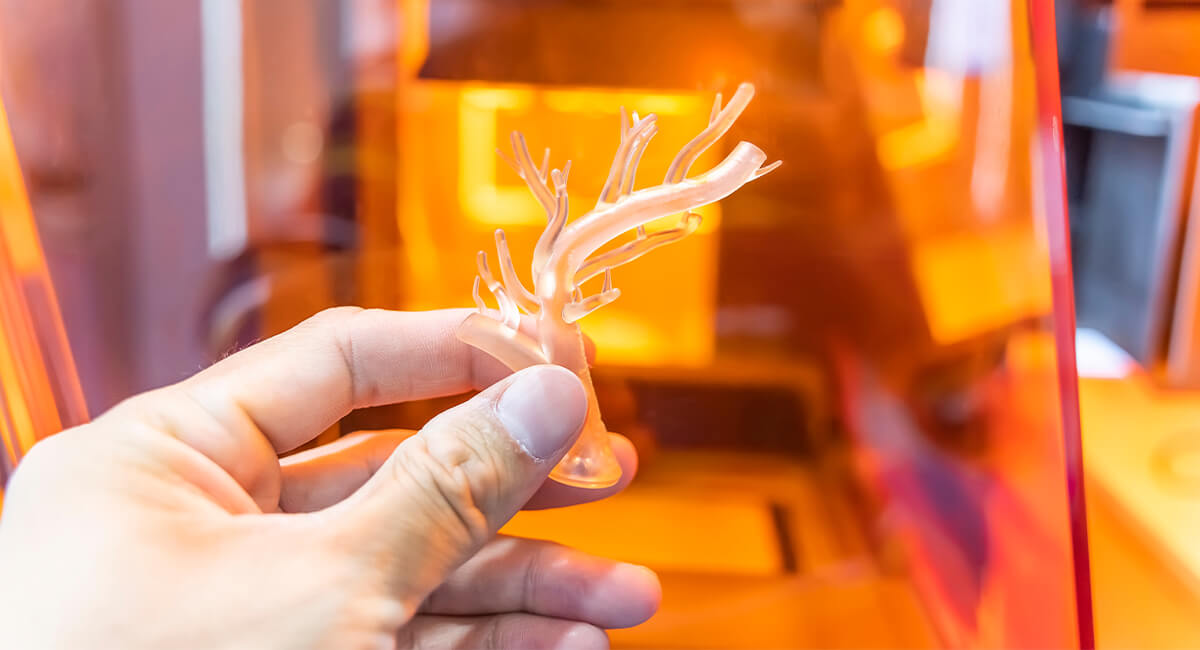
What Makes Patient-Specific Models So Valuable in Surgery?
At MedScan3D, we help surgeons to practice surgical procedures, visualise complex anatomy, and communicate more effectively with their teams and patients by providing high-fidelity anatomical models. These models are particularly valuable in cases involving tumours, congenital anomalies, or intricate reconstructions – scenarios where every millimetre matters.
How Are Collaboration and Research Driving 3D Printing Adoption?
Globally, we’re seeing increased collaboration between hospitals, universities, and MedTech innovators to integrate 3D printing into clinical workflows. Research from leading academic centres has shown that patient-specific models can reduce surgery time by up to 20%, improve implant fit, and enhance surgical confidence, especially in high-stakes procedures.
How is 3D Printing Changing Medical Device Design and Testing?
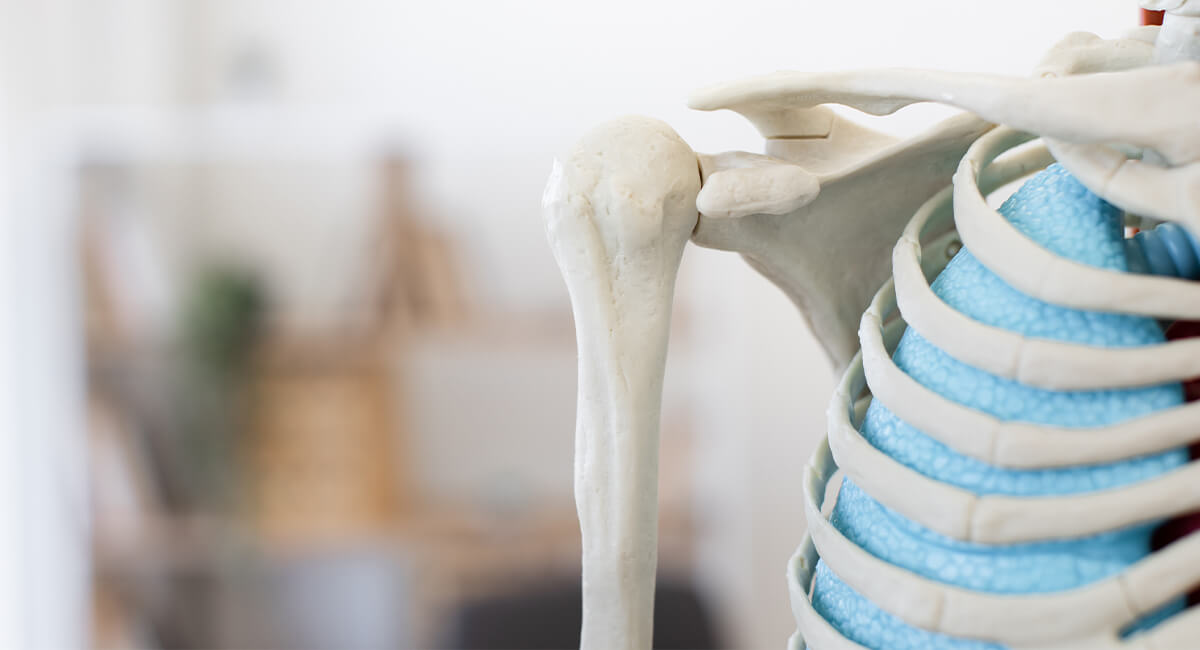
Beyond the operating theatre, 3D printing is reshaping how medical devices are designed and tested. We work with manufacturers and start-ups to produce custom anatomical models that replicate real-world clinical conditions. This allows medical device teams to refine prototypes, test usability, and validate performance without relying on cadaveric samples or lengthy trial timelines, saving thousands in the regulatory approval process.
Where is 3D Printing Already Making an Impact in the NHS and HSE?
We’ve supported surgeons across the NHS and HSE in trials involving aortic dissection, maxillofacial, spinal deformities, and aneurysm surgeries. These partnerships continue to demonstrate the versatility of patient-specific printing across specialties where precision and planning are critical.
What Does the Future Hold for Patient-Specific 3D Printing?
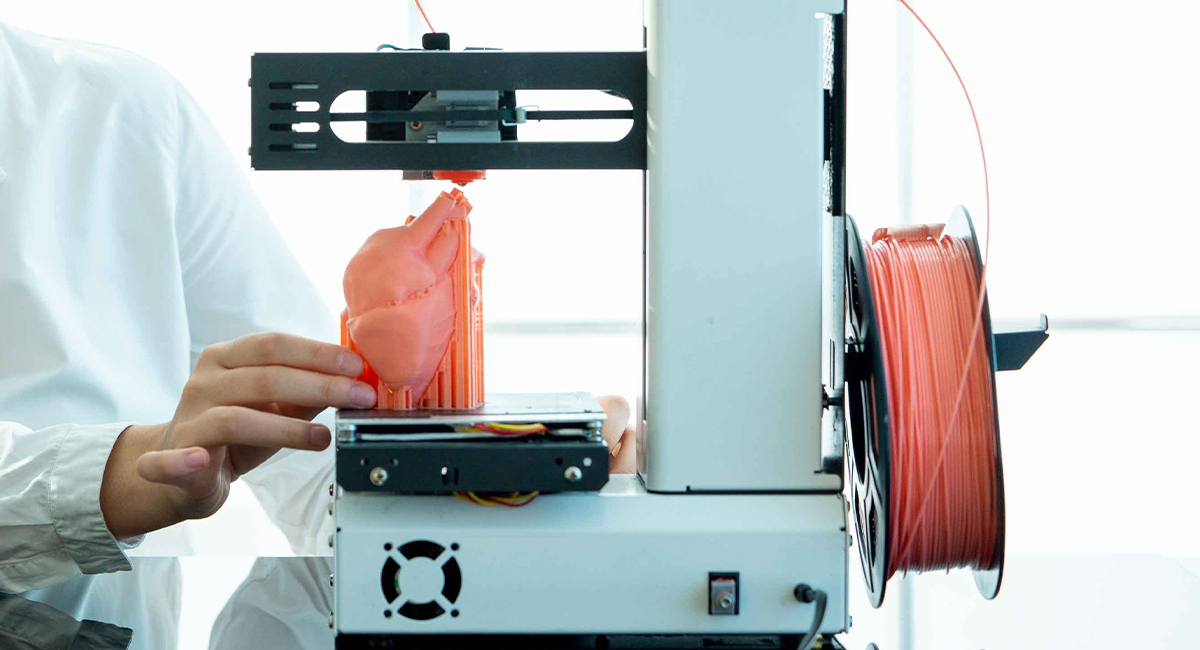
Looking ahead, we believe patient-specific 3D printing will play a central role in shaping future regulatory pathways, surgical training methods, and device development standards. As digital workflows become more integrated and expectations around personalisation grow, this technology will be key to delivering safer, smarter, and more responsive care.
Disclaimer. The views and opinions expressed in this article are solely those of the author and do not necessarily reflect the official policy or position of Test Labs Limited. The content provided is for informational purposes only and is not intended to constitute legal or professional advice. Test Labs assumes no responsibility for any errors or omissions in the content of this article, nor for any actions taken in reliance thereon.
Get It Done, With Certainty.
Contact us about your testing requirements, we aim to respond the same day.
Get resources & industry updates direct to your inbox
We’ll email you 1-2 times a week at the maximum and never share your information