Are Biological Materials the Future of Implants?

Article Summary
Biological implants made from animal tissues offer a low-cost, abundant, and biomechanically superior alternative to synthetic implants. They integrate naturally with patient tissue, reduce infection risk, and avoid immune rejection, although manufacturers face regulatory, size, and cleanroom production challenges. With strong clinical outcomes and clear development pathways, they present major opportunities for MedTech innovation.Article Contents
Introduction
There are several medical device companies that have successfully designed and developed sterile, acellular Class III (EU) implants to restore function to damaged tissues that were prepared from animal tissues. I have worked for more than one of these companies within New Product Development over the past 23 years. The intellectual property associated with these products is legally protected and means that I will not be divulging details about exactly how they are made. However, once you know how it is done, there are a wealth of opportunities to be explored.
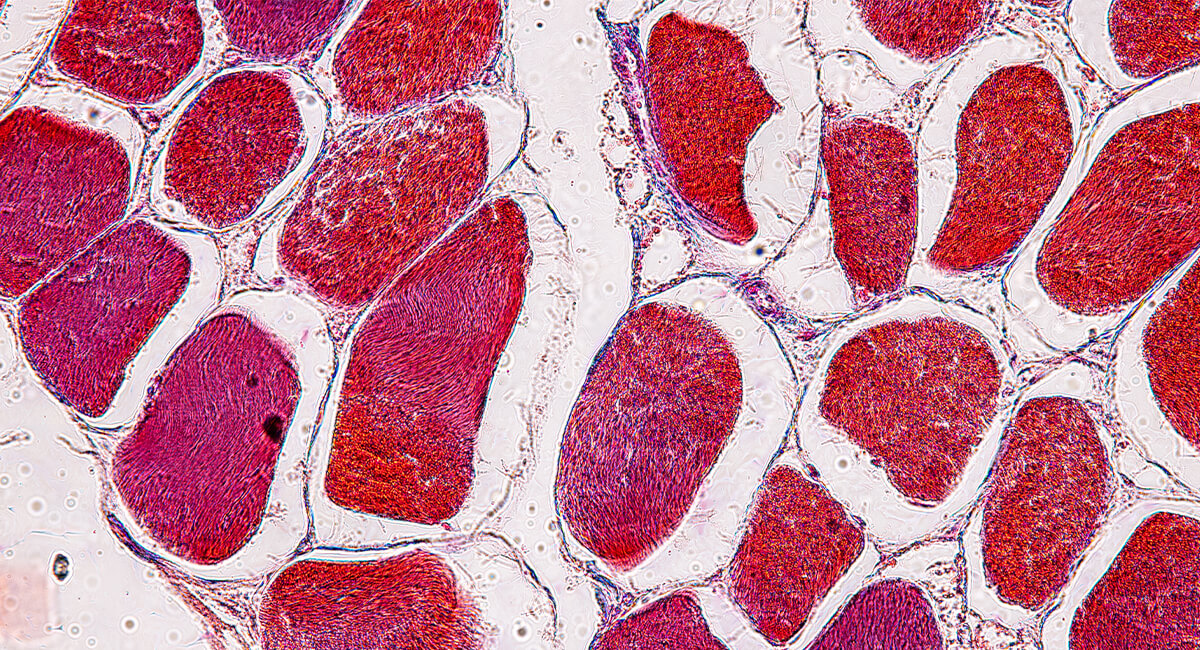
How Can Animal Tissues Transform Implant Design?
The key to understanding the opportunities lies in the fact that the source material is treated as a waste material within the food industry and is freely available and cheap. Various animal species are used, with pigs being the most common. Cow and equine (horse) species are also used. This helps with providing an alternative for patients who do not accept the consumption of pigs for religious reasons and therefore are unwilling to accept implants made from pig tissues.
A review of synthetic implants in the literature and media highlights the occurrence of infections around the implant site, and formation of biofilms which are extremely hard to remove. In some cases, it has been necessary for surgeons to try to remove the synthetic implant but the formation of scar tissue around it due to the body’s normal immune reaction to foreign objects and infections makes this very difficult. The effect on the patient’s quality of life can be severely affected.
Allografts from human donors are considered the gold standard for implantation. However, there is a severe shortage of these. The use of animal tissues that can be sourced daily from abattoirs avoids this issue. There are many regulations in place that must be met by the abattoirs to ensure that the meat and other tissues are of high quality. It includes full traceability back to the farm and checks on the use of antibiotics and other drugs given to the animals. Veterinarians perform checks on the animals and on the documentation kept by the abattoir, which is reviewed by the device manufacturer. This provides a high level of assurance in the safety of the raw materials for the implant.
Why Are Biological Implants Outperforming Synthetics?
The other great advantage of using animal tissues is the fact that they have evolved over millennia to meet their desired biological function such as forming part of an artery, an anterior cruciate ligament (ACL) or a knee joint meniscus, unlike implants made from synthetic materials such as stainless steel and polymers. Their structure, once all of the cellular and nuclear material has been removed, consists of collagen and elastin which retains the biomechanical properties and structure of the source tissue.
There are various types of collagen, depending on whereabouts in the body it comes from, and its intended function. Matching these tissues from an animal to similar tissues in a human is ideal whenever possible. The body does not reject the implant due to the absence of cellular and nuclear material. It begins to remodel the implant and treat it as part of the patient’s own tissue. I have seen patient cases where within a few months of implantation of a cardiovascular patch into a patient’s artery, the surgeon was unable to see any difference on scans between the patient’s tissue and the implant tissue because it was so completely integrated and regenerated. The normal immunological response to implantation of a material that the body sees as a foreign object does not occur.
Biological implants can be made that they don’t require any special storage conditions such as refrigeration. As long as the sterile barrier of their packaging is maintained, they can be stored at ambient temperatures. Care must be taken to avoid exposure to heat, as this denatures the collagen and turns it into gelatine. This means that biological implants can be used in a wide variety of worldwide environmental conditions for surgery, and do not require cold chain transport to their point of use. Suitable shelf life and stability studies are performed to generate the data to support this in accordance with ICH guidelines.
The advantages above – natural biomechanical properties, integration with the patient’s tissue, and reduced infection risk – highlight why biological implants are outperforming certain synthetic alternatives in clinical settings.
What Challenges Do Biological Implant Manufacturers Face?
Challenges include:
- Tissue size limitations.
- Regulatory complexity.
- Cleanroom manufacturing costs.
- Process validation.
- Clinician training.
The major challenge of making implants from animal tissues revolves around the limitation of size of the tissue available. Although the size of certain pig anatomical structures is quite similar to humans. Several biological implants are made from sterile, decellularised pig skin and these can be sutured together to make a large piece of implant. For example, when treating loss of the patient’s skin due to destructive bacterial infections, often referred to as ‘flesh-eating bacteria’ in the media. It is also used successfully for hernia repair among others.
The regulatory requirements for implants made from animal tissues are quite complex. It is essential for patient safety that the risks of transmitting animal viruses and prions to the patient are eliminated as far as possible. This is done by including at least one process step within the biological implant manufacturing process that is designed to remove these (refer to the standards BS EN ISO 22442). Process validation to demonstrate a sufficient log reduction of the chosen model organisms must be performed and documented. In this respect it is quite similar to the work done as part of sterilisation validation for the manufacturing of sterile medical devices and must be performed by specialist contract labs. This is expensive.
Manufacturing of biological implants must be performed within a clean room environment once the steps to remove the native cells and nuclear material begin. These are expensive to set up and maintain. The guidance provided in the ISO standard series BS EN ISO 14644 must be followed.
A high degree of operator training in aseptic techniques is required, for handling the tissues and avoiding the introduction of contamination. The later steps of preparation can be semi-automated, but initial steps must be done manually.
Training of clinicians in the handling and use of biological implants is essential and must be considered as early as possible by ensuring that their input and views are considered within the design and development process. They are typically presented within sterile pouches accompanied by a small amount of sterile saline to keep them moist. The surgeon may need to practice handling of them as they can feel slippery compared to synthetic implants. There may be some resistance from surgeons who have never used them before. It is wise to seek assistance from key opinion leaders in the use of biological implants who have been personally involved in the design and development of the implants. They can also help to convince their colleagues to try them.
The routes to market for biological implants made from animal tissues can take longer and be more expensive than those for synthetic implants. However, there are already a number on products on the market that have proven the technology exists and is safe and suitable for use in humans. These may be used as predicate devices for the target markets when preparing a Regulatory strategy, depending on their technical data and clinical use.
Although there are some challenges in relation to the cost and time of development, these products are already on the market in Europe and the USA (and the rest of the world) and clinical data to date have demonstrated that they have advantages in comparison to synthetic implants.
What Are the Opportunities for MedTech Innovators?
The low cost, abundant raw material, and strong regenerative potential present opportunities for MedTech companies to develop next-generation implants that address limitations of synthetic devices and meet patient and surgeon needs.
There are a variety of reasons why the use of biological implants made from animal tissues should be considered for the development of new medical devices, as an alternative to using synthetic materials:
The raw material is very cheap and freely available. There is substantial regulatory guidance on how to design and develop the device and the manufacturing processes. The biomechanical properties of the collagen/ elastin matrix remaining after decellularisation is very similar to unprocessed tissues. This allows the development of what may colloquially be known as ‘plug-and-play’ implants that restore function straight away and are quickly remodelled by the patient’s own biological processes to form a permanent repair because the implant is not treated as a foreign object by the patient’s immune system.
Although there are some challenges in relation to the cost and time of development, these products are already on the market in Europe and the USA (and the rest of the world) and clinical data to date have demonstrated that they have advantages in comparison to synthetic implants. Particularly in relation to infections at the implant site and formation of scar tissue, biofilms and adhesions, which have been seen with certain synthetic implants and have had severe negative consequences on the quality of life of the patients concerned.
References
- ICH Guidelines Q1A-F Stability
- BS EN ISO 14644 parts 1-18 (parts currently under review) Cleanrooms and associated controlled environments
- BS EN ISO 22442 parts 1-3 (currently under review) Medical devices utilizing animal tissues and their derivatives – Validation of the elimination and/ or inactivation of viruses and transmissible spongiform encephalopathy (TSE) agents)
Disclaimer. The views and opinions expressed in this article are solely those of the author and do not necessarily reflect the official policy or position of Test Labs Limited. The content provided is for informational purposes only and is not intended to constitute legal or professional advice. Test Labs assumes no responsibility for any errors or omissions in the content of this article, nor for any actions taken in reliance thereon.
Get It Done, With Certainty.
Contact us about your testing requirements, we aim to respond the same day.
Get resources & industry updates direct to your inbox
We’ll email you 1-2 times a week at the maximum and never share your information