Medical Device Reprocessing: Five Considerations Before Validation

Article Summary
Medical device reprocessing validation starts during design, with five considerations to help manufacturers develop effective, safe and repeatable cleaning, disinfection and sterilisation processes while reducing avoidable delays and costs.Article Contents
Why Medical Device Reprocessing Validation Matters
Patient safety starts before the submission. For reusable medical devices, that means considering how the device will be cleaned, reprocessed and reused while the design is still being developed, not waiting until formal validation to find out whether the proposed instructions work.
As an expert in medical device problem solving, I have seen how difficult it can be for manufacturers when testing raises questions late in development. Additional work puts pressure on budgets, timelines and commercial commitments. Manufacturers are entitled to question whether testing requests are proportionate, expectations are clear and review processes could be improved.
However, regulatory delay and poor early design planning are different problems. Addressing foreseeable reprocessing risks during development can help reduce avoidable cost and delay!
Regulatory Requirements for Reusable Medical Device Reprocessing
The expectation that reusable devices need validated reprocessing instructions is not new. The FDA’s Reprocessing Medical Devices in Health Care Settings: Validation Methods and Labelling guidance was published in March 2015. It provides recommendations for developing and scientifically validating reprocessing instructions, making it directly relevant to the evidence supporting a manufacturer’s instructions for use (IFU).
Standards also help define what those instructions need to cover. For example, ISO 17664-1 addresses the processing information manufacturers provide for critical and semi-critical medical devices, including cleaning, disinfection, drying and sterilisation where applicable. The relevant requirements and guidance should inform the validation scope, rather than being considered only when preparing a submission.
Cleaning, disinfection and sterilisation are not interchangeable. Cleaning removes contamination and is an essential step before subsequent disinfection or sterilisation. The level of microbial control required depends on the device’s intended use: a device that requires sterilisation cannot simply be assigned a disinfection process because its materials cannot withstand heat.
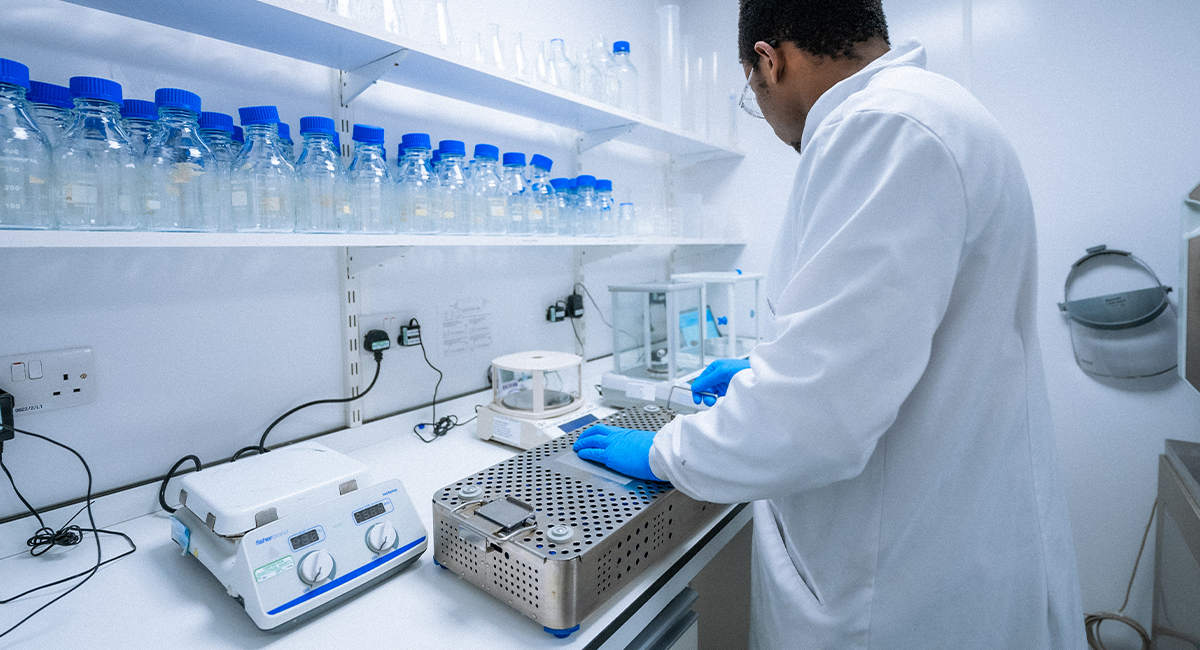
Choosing the Right Reprocessing Method for Your Medical Device
Consider a heat sensitive medical device that cannot withstand steam sterilisation. If a liquid chemical disinfection process is appropriate for its intended use, I would want the design team to consider immersion, access to internal surfaces, rinsing, drying and repeated chemical exposure. Where sterilisation is required, an alternative such as low-temperature vaporised hydrogen peroxide may need investigation, rather than being assumed compatible.
Material compatibility, device geometry and the intended reprocessing method need to be assessed together. A material may tolerate a chemical, but a narrow lumen or enclosed joint may prevent adequate contact, rinsing or drying. Equally, a process that reaches the relevant surfaces may damage a component after repeated exposure. Changing the reprocessing method is not simply changing a line in the IFU.
Five considerations can help manufacturers address these questions before formal validation.
1. Design Reusable Medical Devices for Effective Cleaning
Consider how contamination will be removed from lumens, joints, recesses, textured surfaces and other difficult-to-access features. Where disassembly, brushing or flushing is necessary, establish whether those actions are practical for the intended user. The aim is a design that allows effective cleaning, not instructions that ask users to overcome avoidable design limitations.
2. Select Cleaning, Disinfection and Sterilisation Methods Early
Identify the proposed cleaning, disinfection and sterilisation methods, as applicable, while material and design choices are still flexible. Consider the equipment, chemicals and resources available in the intended use setting. The outcome should be a reprocessing pathway that meets the device’s safety needs and can realistically be followed by its users.
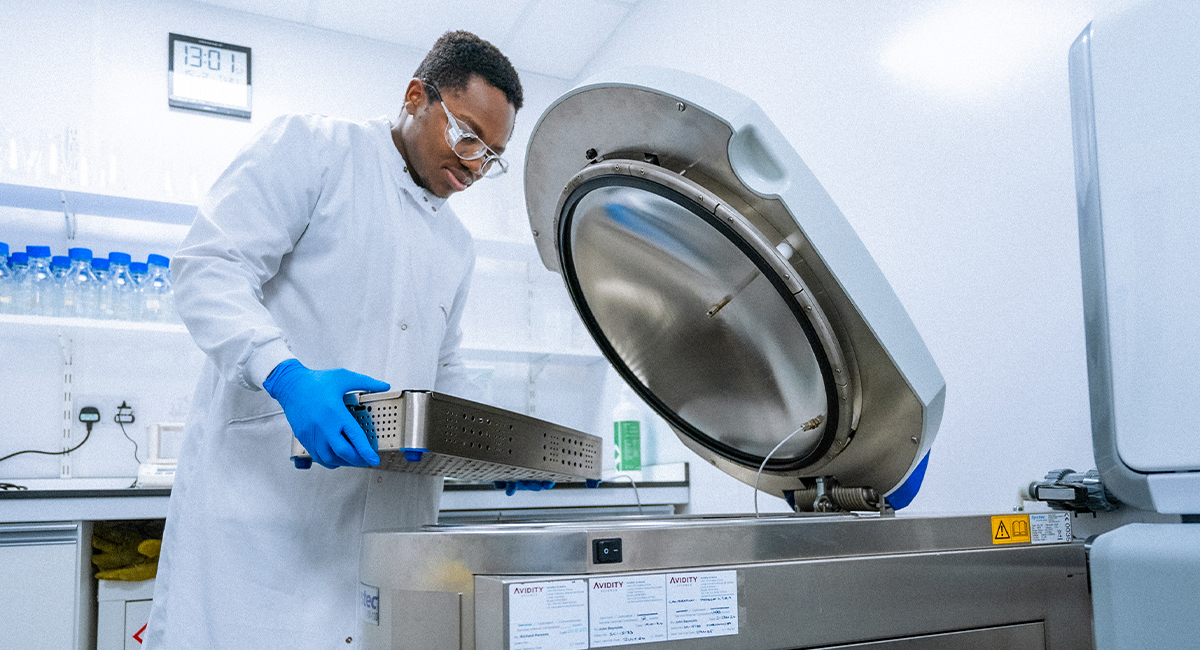
3. Assess Reprocessing Feasibility Before Validation
Use early feasibility work to challenge assumptions. Can the hardest-to-clean feature be accessed? Does the proposed process damage a component? Is drying achievable using representative equipment? Does the method depend on impractical user intervention? Resolve these uncertainties before committing to formal validation, when changes may require studies to be repeated.
4. Validate Repeated Reprocessing Cycles and Device Durability
Plan how to assess the effects of repeated use and reprocessing over the device’s claimed service life, including effects on function, materials, surfaces and biological safety. A successful first cycle does not establish suitability for repeated reuse. The evidence should support the claimed reprocessing limits and any inspection, maintenance or end-of-life instructions.
5. Build an Evidence Strategy for Reprocessing Validation
Before asking a laboratory to generate evidence for your claims, document the intended claims, relevant risks, applicable standards and guidance, proposed methods and rationale for the validation scope. Define the worst-case devices and conditions, acceptance criteria and how the evidence will support the IFU. Bring design, regulatory, biological safety and reprocessing expertise together so the programme answers defined safety questions, rather than simply producing a collection of test reports.
Address Reprocessing Requirements Before Regulatory Submission
Manufacturers should not wait for a submission review to discover whether their medical device can be safely cleaned, reprocessed and reused.
Regulatory scrutiny should be proportionate, but foreseeable safety questions should be addressed during development.
Patient safety starts before the submission. So does the opportunity to reduce avoidable cost and delay.
Get It Done, With Certainty.
Contact us about your testing requirements, we aim to respond the same day.
Get resources & industry updates direct to your inbox
We’ll email you 1-2 times a week at the maximum and never share your information