Why Robust Medical Device Regulation Matters: Lessons from Past Scandals and the Future of the EU MDR

Article Summary
An examination of major medical device scandals and failures, exploring how they shaped the EU MDR and why patient safety must remain central to future regulatory reforms.Article Contents
Medical Device Scandals and the Evolution of the EU MDR
The European Union Medical Device Regulation (MDR) 2017/745 was introduced to strengthen oversight of medical devices, improve patient safety, and restore public confidence in the regulatory system. It replaced the Medical Devices Directive (MDD), originally adopted in 1993, which had become increasingly outdated in light of technological advances, globalisation of supply chains, and several high-profile device failures. The most influential catalyst for reform was the Poly Implant Prothèse (PIP) breast implant scandal, but it was far from the only case that exposed weaknesses in medical device oversight.
As policymakers consider further revisions to the MDR aimed at reducing regulatory burdens, it is important to remember the lessons learned from previous failures. History demonstrates that inadequate controls, weak surveillance, or poor manufacturing practices can lead to significant patient harm. Effective regulation is therefore not an obstacle to innovation; rather, it is a prerequisite for ensuring that innovation benefits patients safely.
Medical device scandals generally fall into two main categories: product failures (technical, design, or manufacturing issues resulting in adverse consequences for patients) and fraud (deceptive, illegal, or unethical business practices that may also lead to product failures); examples of both will be discussed in this article.

The PIP Breast Implant Scandal and the Origins of the MDR
The PIP scandal remains one of the most significant medical device fraud cases in Europe. Poly Implant Prothèse, a French manufacturer of silicone breast implants, deliberately substituted the approved medical-grade silicone described in its technical documentation with a cheaper industrial-grade silicone gel. This practice was concealed from regulators and certification bodies for many years.
Investigations subsequently revealed that the company had intentionally deceived auditors and inspectors by maintaining separate production processes and documentation. Approximately 300,000 women worldwide received PIP implants before the fraud was uncovered. Studies identified rupture rates significantly higher than those seen with comparable breast implants, leading to anxiety, uncertainty, revision surgeries, and healthcare costs for thousands of women. Concerns also arose regarding inflammatory reactions and the unknown long-term consequences of exposure to the industrial-grade filler material.
The scandal exposed limitations in the European regulatory framework operating under the MDD. While the system required conformity assessment by Notified Bodies, it relied heavily on manufacturer declarations and periodic audits. The PIP case demonstrated that a determined manufacturer could circumvent controls through deliberate fraud.
The MDR was adopted in 2017 specifically to address such weaknesses. It introduced more rigorous clinical evidence requirements, enhanced post-market surveillance obligations, stricter oversight of Notified Bodies (including mandatory unannounced audits), unique device identification (UDI) systems, greater transparency through the EUDAMED database, and stronger requirements for manufacturers to continuously monitor device performance throughout the product lifecycle. These reforms were intended to ensure that patients could have greater confidence in the safety and performance of medical devices placed on the European market.
Orthopaedic Device Failures: A Chronological Perspective
3M Capital Hip System
One of the earliest widely recognised orthopaedic implant failures involved the 3M Capital Hip System in the 1990s. The device incorporated innovative design features intended to improve implant fixation and performance. However, clinical experience demonstrated unexpectedly high failure rates due to loosening and fixation problems.
Patients experienced persistent pain, reduced mobility, and, in many cases, the need for revision surgery. The case highlighted the risks associated with introducing novel implant designs without sufficiently robust clinical evidence. It also reinforced the importance of post-market clinical follow-up and the systematic monitoring of implant performance.
Sulzer Inter-Op Hip Recall (2000)
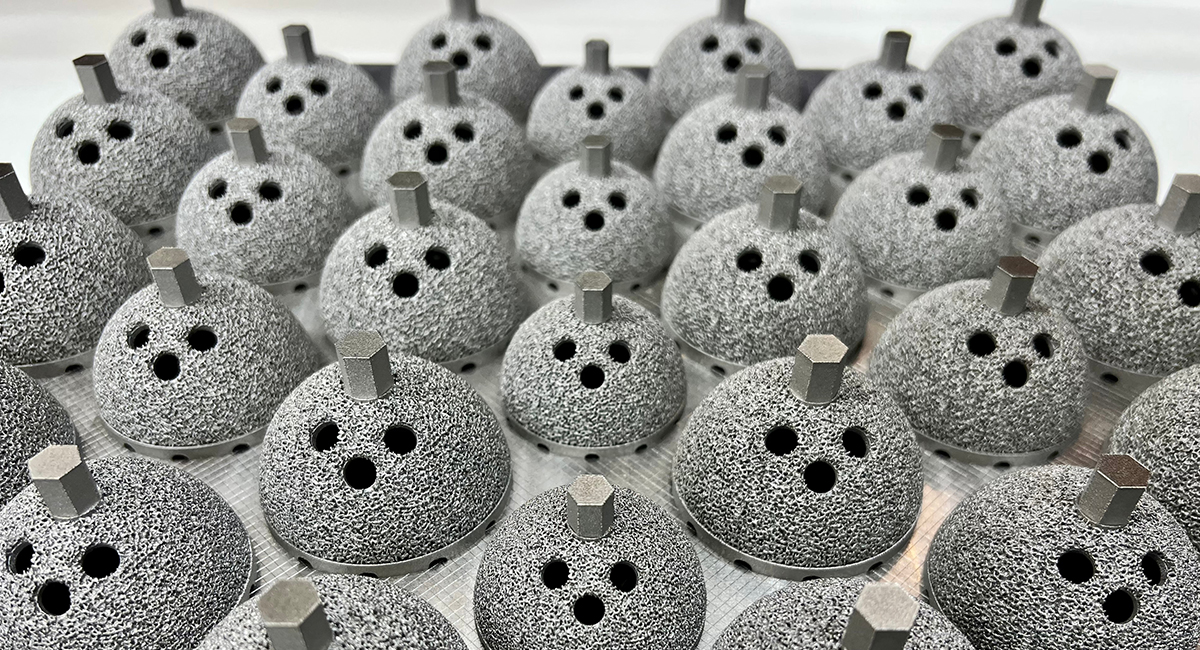
In 2000, Sulzer Orthopedics initiated one of the largest orthopaedic implant recalls in history. Surgeons began reporting unusually high rates of early implant loosening following total hip arthroplasty procedures.
Subsequent investigations identified a manufacturing issue involving contamination of implant surfaces. Residues left on acetabular components interfered with biological fixation, resulting in loosening and early implant failure. More than 25,000 implants were estimated to be affected, with approximately 17,500 already implanted in patients. Many patients experienced severe pain, loss of function, and required revision surgery. The recall generated substantial legal, financial, and reputational consequences for the manufacturer while profoundly affecting patients and surgeons.
Importantly, the Sulzer case demonstrated the critical role of manufacturing controls and post-market surveillance. The underlying implant design was not necessarily defective; rather, a process change in manufacturing introduced a quality issue that was not detected before products reached patients.
Metal-on-Metal Hip Implants (2000s-2010s)
A further major orthopaedic controversy involved metal-on-metal (MoM) hip replacements. These devices were promoted as durable alternatives for younger and more active patients.
However, increasing evidence emerged that wear between metal bearing surfaces generated metallic debris, leading to elevated cobalt and chromium levels in patients. Reports described soft tissue destruction, pseudotumour formation, local inflammatory reactions, implant loosening, and early failure. Concerns grew internationally as national joint registries identified revision rates higher than expected.
The eventual recalls and market withdrawals affected thousands of patients worldwide, many of whom required complex revision surgery. The MoM experience underscored the value of national registries and long-term surveillance systems capable of detecting emerging safety signals that may not be apparent during pre-market evaluation
Pelvic Meshes
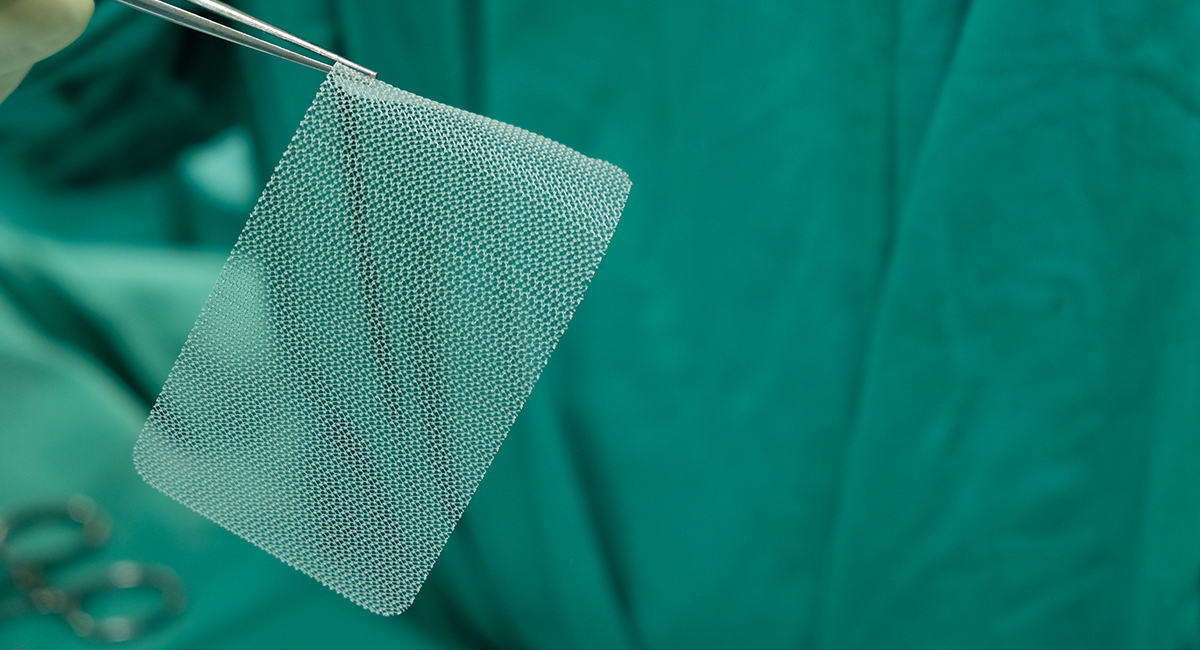
The pelvic mesh controversy emerged during the 2000s and 2010s and involved transvaginal mesh devices used to treat pelvic organ prolapse and stress urinary incontinence.
While many patients benefited from these products, a significant number experienced severe complications. Reported adverse outcomes included chronic pain, mesh erosion, infection, dyspareunia, nerve injury, organ perforation, and difficulties in removing implanted mesh. For some patients, complications proved life-changing and resulted in repeated surgical procedures.
The controversy highlighted the challenges of evaluating implantable devices that remain in the body for many years. It also demonstrated the importance of comprehensive clinical evidence, informed consent, post-market surveillance, and rapid regulatory intervention when emerging risks are identified.
The Recent Medicina Case in the United Kingdom
More recently, concerns have emerged regarding neonatal medical devices manufactured by Medicina in the United Kingdom. According to reporting by the BBC, devices intended for use in neonatal care were allegedly supplied bearing CE markings despite not being supported by the required conformity assessment and certification processes.
The case remains significant because it illustrates that regulatory non-compliance remains a contemporary risk, even within mature healthcare systems. While the circumstances differ substantially from the deliberate fraud observed in the PIP case, both situations demonstrate the importance of independent verification, regulatory enforcement, and market surveillance activities to ensure that manufacturers comply with applicable requirements.
The Medicina case serves as a reminder that robust regulatory systems remain necessary not only to assess device safety and performance but also to detect and address non-compliance when it occurs.
Proposed Revisions to the MDR
In December 2025, the European Commission published a proposal to simplify and reduce the regulatory burden associated with the MDR and the In Vitro Diagnostic Regulation (IVDR). The stated objective is to improve efficiency, reduce unnecessary administrative requirements, and enhance device availability while maintaining patient safety.
Many stakeholders support efforts to improve system efficiency, particularly given concerns regarding certification capacity, costs, and market access for small and medium-sized manufacturers. Nevertheless, some proposed changes have raised concerns among regulators and patient advocates.
A key concern is that elements of the simplification agenda could reduce the depth of scrutiny applied during conformity assessment. Critics argue that certain proposals may result in regulatory oversight that is less rigorous than the framework introduced under the MDR and, in some cases, potentially less demanding than oversight practices commonly implemented under the MDD era.
The challenge for legislators is therefore to strike an appropriate balance. Streamlining processes may be beneficial where requirements are duplicative or unnecessarily burdensome. However, simplification should not weaken the core protections introduced specifically in response to historical failures such as PIP, metal-on-metal hips, and pelvic mesh complications.
Regulation and Innovation Must Coexist
The lessons from PIP breast implants, the 3M Capital Hip system, the Sulzer recall, metal-on-metal hips, pelvic meshes, and the recent Medicina case all point to a common conclusion: medical device regulation exists because failures have real human consequences.
Patients who receive medical devices often place immense trust in manufacturers, clinicians, and regulators. When devices fail through poor design, inadequate clinical evidence, manufacturing defects, or deliberate non-compliance, the consequences can include pain, disability, repeat surgery, psychological distress, and loss of confidence in healthcare systems.
The MDR was developed to address these risks by strengthening oversight throughout the product lifecycle. While regulatory systems should continually evolve and unnecessary burdens should be removed, reforms must not sacrifice the safeguards established following previous scandals.
From a regulatory perspective, the objective should not be regulation for its own sake. Rather, it should be the creation of a proportionate, science-based framework that ensures patients receive safe, effective, and high-quality medical devices while enabling responsible innovation and timely market access. History has shown the cost of insufficient oversight. The challenge for policymakers is to ensure that those lessons are not forgotten as the next generation of regulatory reforms is developed.
References
- Leeuwen B van. PIP Breast Implants, the EU’s New Approach for Goods and Market Surveillance by Notified Bodies. European Journal of Risk Regulation. 2014;5(3):338-350. doi:10.1017/S1867299X0000386X
- Martindale V, Menache A. The PIP scandal: an analysis of the process of quality control that failed to safeguard women from the health risks. Journal of the Royal Society of Medicine. 2013;106(5):173-177. doi:10.1177/0141076813480994
- Robert L. Barrack, Early failure of modern cemented stems, The Journal of Arthroplasty, Volume 15, Issue 8, 2000, Pages 1036-1050, ISSN 0883-5403, https://doi.org/10.1054/arth.2000.16498.
- Ogilvie, Brandon, Chelsea S. Sicat, Samuel Zverev, Thomas Catanzaro, Charles Catanzaro, Phillip Spadafora, and Jan A. Koenig. 2026. “‘From My Perspective…The Anatomy of a Recall: A Retrospective Review of the Sulzer Recall 25 Years Later.’” Journal of Orthopaedic Experience & Innovation 6 (2). https://doi.org/10.60118/001c.143453.
- Haddad FS, Thakrar RR, Hart AJ, et al. Metal-on-metal bearings. J Bone Joint Surg Br. 2011;93-B(5):572-579. doi:10.1302/0301-620X.93B4.26429
- Drummond J, Tran P, Fary C. Metal-on-Metal Hip Arthroplasty: A Review of Adverse Reactions and Patient Management. Journal of Functional Biomaterials. 2015; 6(3):486-499. https://doi.org/10.3390/jfb6030486
- Mangir, N., Roman, S., Chapple, C.R. et al. Complications related to use of mesh implants in surgical treatment of stress urinary incontinence and pelvic organ prolapse: infection or inflammation?. World J Urol 38, 73–80 (2020). https://doi.org/10.1007/s00345-019-02679-w
- Lynette Horsburgh (6 July 2026) How illegal medical devices to feed newborns were sold around the world, BBC News
- EU Commission (16 December 2025) Proposal for a regulation to simplify rules on medical and in vitro diagnostic devices
Disclaimer. The views and opinions expressed in this article are solely those of the author and do not necessarily reflect the official policy or position of Test Labs Limited. The content provided is for informational purposes only and is not intended to constitute legal or professional advice. Test Labs assumes no responsibility for any errors or omissions in the content of this article, nor for any actions taken in reliance thereon.
Get It Done, With Certainty.
Contact us about your testing requirements, we aim to respond the same day.
Get resources & industry updates direct to your inbox
We’ll email you 1-2 times a week at the maximum and never share your information