The Wearables Paradox: High Market Penetration Meets Low Clinical Integration

Article Summary
Wearable devices are achieving record consumer adoption, but without seamless clinical integration, sustained engagement, and effective data sharing, their true value to healthcare remains unrealised. Implications for payer, provider, and patients, and what it means for the medical device industry.Article Contents
The Rise of Wearable Medical Devices
For the medical device industry, the past half-decade has been defined by a race to equip the public with consumer health technologies. Wearable devices, boasting ever-more sophisticated sensors capable of tracking everything from basic activity to advanced physiologic signals like electrocardiograms, have successfully penetrated the consumer market.
However, for developers, manufacturers, and innovators in the digital health space, a stark new reality is emerging: putting a device on a patient’s wrist is merely the first step. Translating the data from that device into actionable, reimbursed, and systematically integrated clinical care remains a challenge.
A comprehensive longitudinal study of over 17,0000 adults spanning 2020-2024 provides the global medical device industry with a critical reality check. The data reveals a growing chasm between wearable device ownership and actual clinical engagement. For the digital health sector, this data serves as a warning signal: to realise the full potential of wearables in a health system, the sector must pivot its focus from hardware distribution to deep, seamless health system integration.
Consumer Adoption Outpaces Clinical Engagement
While the longitudinal data underpinning this trend focuses on the US, it serves as a leading indicator globally with similar fragmentation echoes across European markets, where even progressive digital frameworks face integration hurdles.
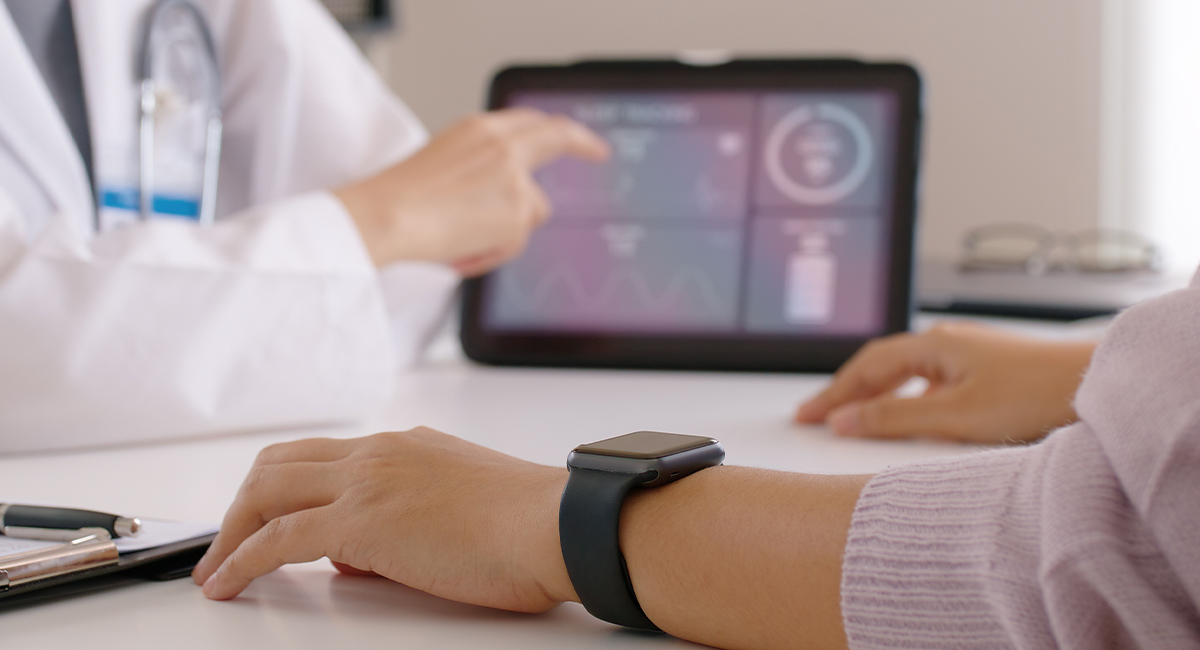
The commercial success of wearable technologies is undeniable. Between 2020 and 2024, the use of wearable devices to track health among US adults surged from 30.2% to 41.1%. Adjusted analyses indicate a 30% increase in the odds of reporting wearable use per two-year interval. This upward trajectory holds true even among populations with cardiovascular disease or major cardiovascular risk factors.
Yet, beneath these impressive market penetration statistics lies a noteworthy engagement drop-off. Among users, daily engagement remains persistently low, with only about half of all wearable users reporting that they use their devices every day. More concerning for longitudinal data collection is that this daily utilisation rate did not meaningfully increase between 2020 and 2024. Sustained adherence to a wearable device is a fundamental prerequisite for generating the longitudinal data required for advanced clinical decision-making and remote patient monitoring. Engagement often drops after initial adoption, indicating that reliance on device ownership metrics substantially overestimates the degree to which these tools are currently positioned to support cardiovascular and chronic care.
Why Wearable Data isn’t Reaching Clinicians
If stagnant daily use represents a behavioral hurdle, the lack of data sharing represents a systemic failure. Historical data uncovers opposing trends in device adoption and the level of engagement required for health data to meaningfully inform clinical care.
Patients have historically been highly willing to share their wearable-generated data with their healthcare providers. In 2020, 81.3% of wearable users expressed a willingness to share their data with clinicians. By 2024, this figure had steadily declined to 73.4%. This declining willingness to share may reflect growing consumer concerns regarding privacy, data governance, and trust in broader digital health systems. Concerns that regulators are actively trying to manage through stringent frameworks like the GDPR and the newly enacted European Health Data Space (EHDS).
Even more alarming for the digital health ecosystem is the rate of actual data sharing. Despite the high (though declining) willingness to share, the actual sharing of digital health information with clinicians remains severely limited, hovering between 14.2% in 2020 and 19.2% in 2024. This persistent gap suggests that limited data sharing is driven not primarily by a lack of patient interest, but by profound structural limitations within healthcare infrastructure.
Digital Literacy Remains a Barrier to Wearable Adoption
When designing the next generation of wearable tech, industry leaders must account for the realities of digital readiness. Structural internet connectivity is no longer the primary bottleneck for data integration, as access is generally high and improving fast across Europe and globally.
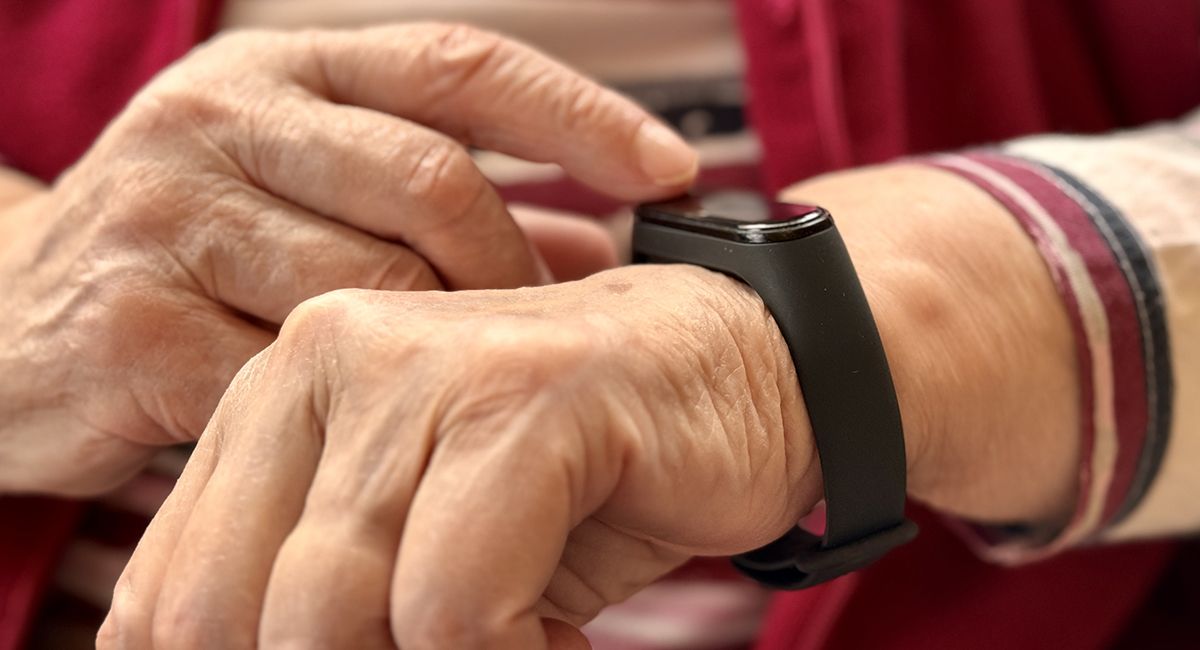
However, digital literacy (defined by an individual’s comfort and proficiency with using digital tools and finding health information online) remains highly stratified. While 58.6% of adults younger than 65 reported the highest level of digital literacy, only 22.4% of adults aged 65 or older met the same criteria. Higher digital literacy is strongly associated with greater odds of wearable use, daily engagement, and a user’s willingness to share data.
Yet, crucially, higher digital literacy does not translate into actual data sharing with clinicians. This finding reinforces the conclusion that the barriers to data integration extend far beyond the individual user’s technological competence.
How Healthcare Professionals Can Unlock Wearable Data
For healthcare professionals, the data paints a clear picture: do not mistake patient device ownership for clinical readiness. The persistence of low data sharing across all sociodemographic groups suggests that structural factors are entirely limiting the clinical utility of wearables.
Clinicians face an environment characterised by unadapted clinical workflows, a lack of interoperability with Electronic Patient Records (EPRs), and the absence of standardised pathways for systematically incorporating patient-generated health data into routine care. Healthcare systems must shift from expecting patients to proactively manage data transmission toward building capacities that seamlessly pull this data into clinical EPR views.
Furthermore, clinicians play a vital role in patient adherence. Daily use is much more likely to be sustained when users receive timely feedback demonstrating that their wearable data is being reviewed and is actively informing their care decisions.

Why Reimbursement is Critical for Wearable Healthcare
The wearable revolution cannot be sustained by consumer purchases alone; payer involvement is essential. Expanding device access without parallel infrastructural support is an incomplete strategy.
Effective integration of digital health tools requires robust investments in new reimbursement models that compensate clinicians for the time required to manage longitudinal data. Furthermore, device manufacturers must align with evolving European payer criteria. For instance, under Germany’s DiGA (Digital Health Applications) framework, reimbursement is no longer a blanket guarantee; at least 20% of a DiGA’s remuneration is now explicitly tied to continuous outcomes monitoring and demonstrated performance in real-world settings. Similarly, in the UK, technologies must navigate rigorous compliance via the DTAC (Digital Technology Assessment Criteria) to access NHS supply chains and potential backing through the MedTech Funding Mandate.
Payers recognise that the value of wearable technologies will only be fully realised when the entire data lifecycle, from the wrist to the EPR to the clinical intervention, is supported by aligned health technology assessments and funding streams.
Why Long-Term Patient Engagement Matters
For patients, particularly those managing cardiovascular disease or major cardiovascular risk factors, wearables offer a high-potential avenue for continuous remote monitoring and risk management outside of traditional clinical settings. However, these populations remain among the least likely to sustain daily use without targeted strategies.
Patients face friction points that lead to engagement attrition. To solve this, data collection must be explicitly tied to clinically relevant goals, such as blood pressure control or rhythm monitoring, ensuring the patient understands the medical value of wearing the device daily. Individuals from lower-income or historically underserved communities may face compounded barriers in navigating these digital pathways, even when their willingness to share data is identical to other populations, highlighting a need for inclusive device and system design.
What the Wearables Paradox Means for MedTech
For the medical device and digital health industries, these trends serve as a blueprint for future product development and market strategy:
- Prioritise seamless interoperability: Manufacturers must design devices that offer low-burden, passive data transmission pathways. Requiring patients to actively download, format, and share data creates friction that suppresses clinical integration. Systems must be built with interoperable interfaces that sync seamlessly with EPRs.
- Design for digital literacy disparities: User interfaces must be simplified to cater to older adults and those with lower digital literacy, populations who often stand to benefit the most from continuous health monitoring.
- Bridge the trust gap: With willingness to share data declining, device manufacturers must prioritise transparent data governance. Building trust requires demonstrating absolute compliance within the strict parameters of GDPR and the incoming structural requirements of the EHDS.
- Partner with health systems: The medical device industry must work collaboratively with healthcare providers and payers to create standardised workflows for patient-generated health data. A device’s value proposition is now inexorably linked to its ability to integrate into existing clinical and reimbursement structures, such as DiGA in Germany or NHS pathways in the UK.
We have engineered the sensors to capture health; now we must engineer the pathways to act on it. Resolving the wearables paradox means shifting our ultimate metric of success, from placing a device on every wrist, to embedding these technologies as vital, reimbursed nodes within every clinical workflow.
References
- Pedroso, Dhingra, Aminorroaya, Khera. Wearable Devices and Data Sharing in the US. JAMA Network Open. 2026;9(6). Doi: 10.1001/jamanetworkopen.2026.17733
- Vemuri, Rahimi, Sadr, et al. Effectiveness of Physical Activity Interventions Using Wearables and Smartphone Applications for Individuals With Cardiovascular Diseases and Stroke: A Systematic Review and Meta‐Analysis. Journal of the American Heart Association. 17 June 2026. Doi: https://doi.org/10.1161/JAHA.125.044985
Disclaimer. The views and opinions expressed in this article are solely those of the author and do not necessarily reflect the official policy or position of Test Labs Limited. The content provided is for informational purposes only and is not intended to constitute legal or professional advice. Test Labs assumes no responsibility for any errors or omissions in the content of this article, nor for any actions taken in reliance thereon.
Get It Done, With Certainty.
Contact us about your testing requirements, we aim to respond the same day.
Get resources & industry updates direct to your inbox
We’ll email you 1-2 times a week at the maximum and never share your information