Why Standardised Test Soils Matter: Bringing Real-World Confidence to Cleaning Validation

Article Summary
Summary of the article, device categories are selected. The service category/s need applyingArticle Contents
Why Standardised Test Soils Are Essential for Cleaning Validation
In any environment where hygiene is critical, whether that’s a hospital decontamination unit, a pharmaceutical production line, or a medical device manufacturing facility, cleaning is the foundation of safety. If contaminants aren’t properly removed, even the best disinfection or sterilisation process can fail.
To make sure cleaning processes are actually doing what they should, the industry relies on Standardised Test Soils (STPs), according to ASTM F3208‑20 – Standard Guide for Selecting Test Soils for Validation of Cleaning Methods for Reusable Medical Devices. These soils are carefully formulated mixtures designed to mimic the kinds of residues that show up in real life, like proteins, fats, carbohydrates, or other organic matter. They provide a consistent way to test cleaning performance and compare results.
As new, more representative STPs become available, validating their performance isn’t just useful, it’s essential. Validation ensures they behave predictably and that the test conditions reflect real‑world challenges.
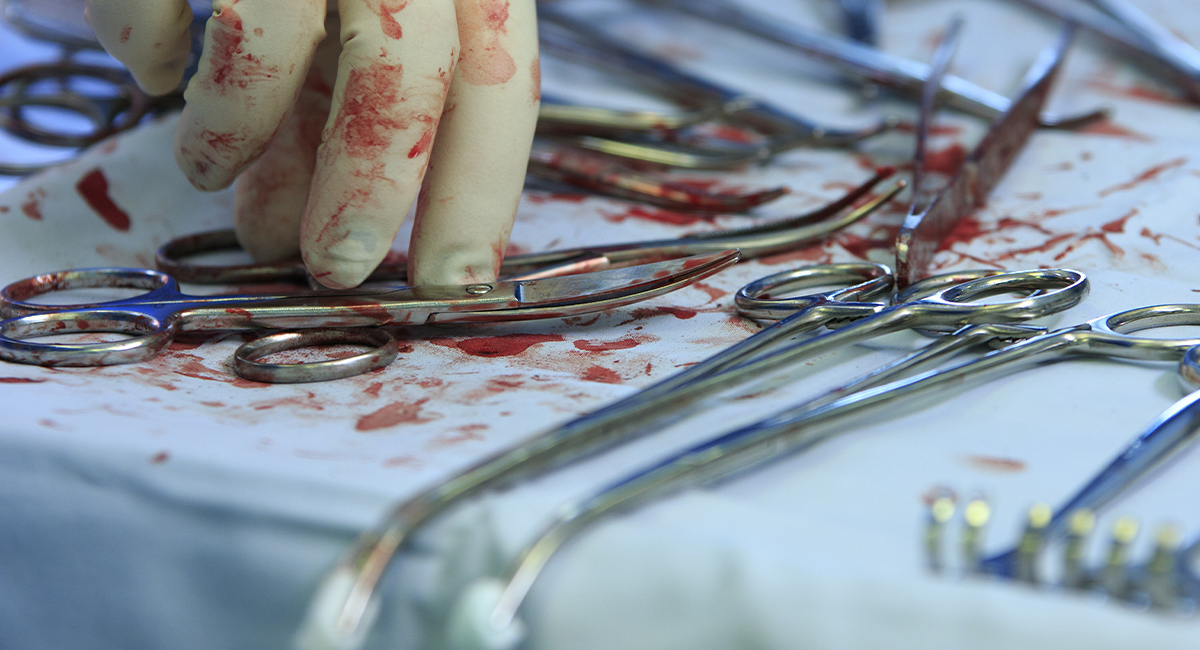
How Standardised Test Soils Simulate Real-World Contamination
STPs aren’t unintentional mixtures of organic substances; they’re engineered to behave like actual contamination while still being consistent and reproducible. A good STP should:
- Represent contamination realistically
- Stick reliably to different materials
- Behave consistently in contact with cleaning agents and mechanical action
- Allow accurate, repeatable measurement of cleaning performance
When a new STP is introduced, we must show that it’s stable, uniform across batches, dries consistently, and can be measured accurately. Without this validation, medical device cleaning results may vary, making data unreliable and difficult to defend.
Choosing the Right Test Soil for Cleaning Validation
One of the most overlooked, but most influential, parts of cleaning performance testing is choosing the correct soil for your application.
Different test items encounter different types of contamination in the real world. A soil suitable for endoscope cleaning, for example, is unlikely to be appropriate for a pharmaceutical mixing vessel or a surgical instrument used in orthopaedics.
Choosing the wrong soil can give a false sense of security, because the cleaning process may pass the test while failing to remove actual real-world contamination.
The right STP depends on factors such as:
- Type of material or device being cleaned
- Nature of expected contamination (protein-rich, fatty, carbohydrate-based, blood-derived, etc.)
- Cleaning method (manual vs. automated)
- Regulatory expectations for that sector
As standards evolve, such as updates within ISO/EN guidance for cleaning validation, the focus on selecting an appropriate test soil has become more prominent. The STP should always reflect how the item is actually used and the kind of contamination it realistically encounters.
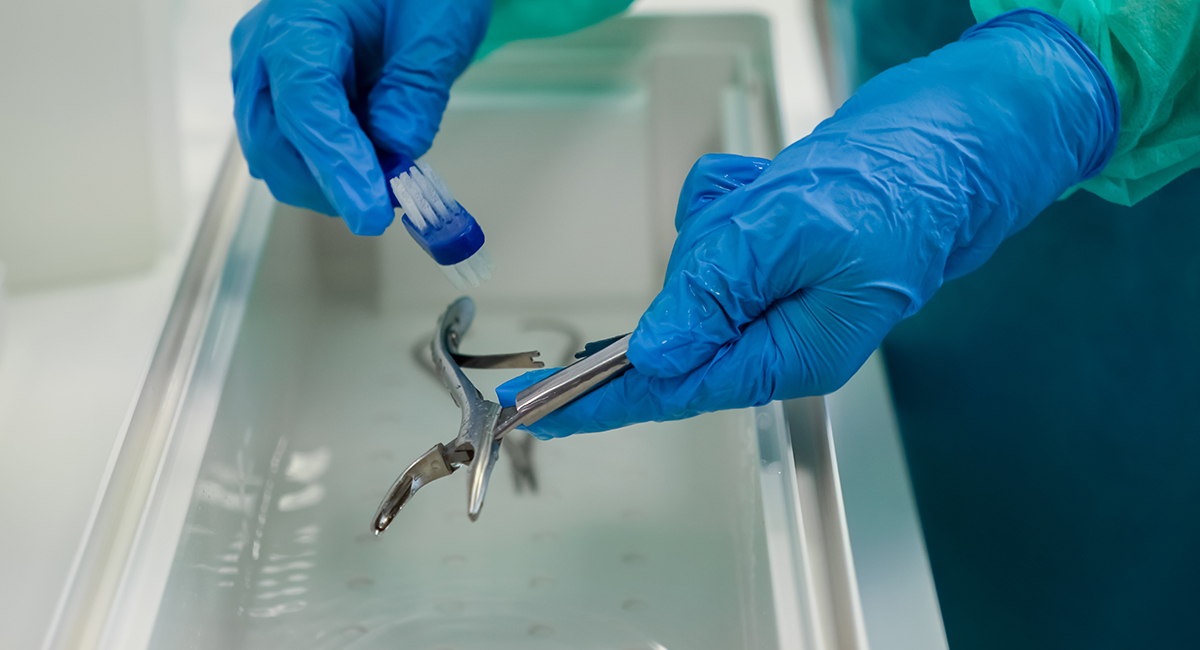
The Cleaning Validation Process Explained
Medical device cleaning validation with STPs follows a straightforward but controlled process:
- Apply the soil
The STP is applied to carriers or representative surfaces and dried under defined conditions. - Run the cleaning process
This includes the chosen detergent, mechanical action, temperature, and exposure time. - Measure the residue
Analytical methods such as protein assays, TOC, conductivity or other validated techniques quantify how much soil remains. - Use controls
Positive controls, drying controls, and recovery checks confirm that the method is functioning properly.
Results usually show percentage removal or quantitative reduction, allowing direct comparisons between medical device cleaning processes, parameters, or detergents.
Applications of Standardised Test Soils Across Industries
Validated STP-based cleaning assessments are used across a wide range of industries, including:
- Healthcare and sterile services: Washer-disinfector validation, manual cleaning checks
- Medical device manufacturing: Pre‑sterilisation cleaning confirmation
- Pharmaceutical production: Equipment and vessel cleaning validation
- Laboratories and research: Glassware and reusable equipment cleaning
- Complex reusable medical devices: Including endoscopes and instruments with intricate geometries
Across all these areas, the aim is the same: show the cleaning process works every time, not just when conditions are ideal.
Factors That Affect Cleaning Validation Results
Several factors influence how easily a soil can be removed:
- Composition of the soil
Protein-heavy soils cling differently than lipid-rich ones. - Drying behaviour
Time and environmental conditions affect adhesion strength. - Surface type
Roughness, material, and geometry can make cleaning harder. - Detergent chemistry
Different formulations break down residues in different ways. - Mechanical action
Spray pressure, brushing force, flow patterns, all matter.
This is why cleaning validation isn’t just a box-ticking exercise: it ensures these variables are understood and controlled.
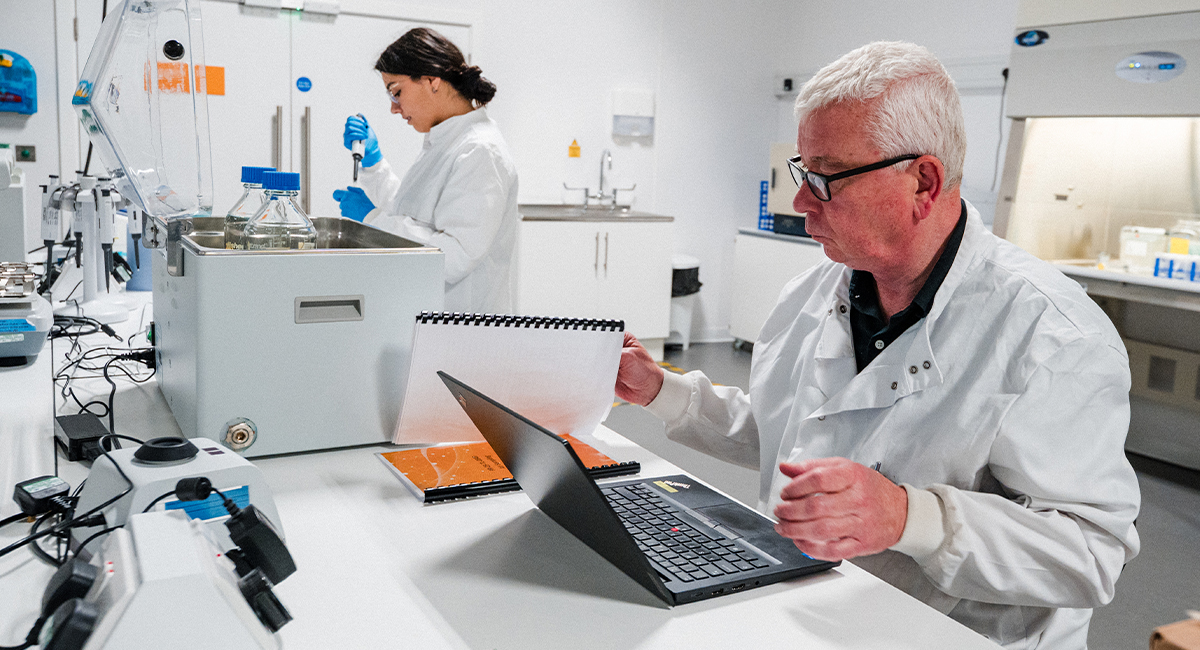
Best Practices for Cleaning Validation
Small variables can make a big difference, whether it’s soil preparation, application technique, drying conditions, or the type of surface used. Standardising these steps is key to producing meaningful, defensible results.
We often help clients with:
- Selecting the right STP for their specific use case
- Verifying soil stability and performance
- Developing or refining medical device cleaning validation methods
- Generating high-quality data for audits and compliance
This close collaboration ensures that cleaning validation remains realistic and aligned with actual cleaning challenges, not just theoretical ones.
Demonstrating Effective Cleaning with Standardised Test Soils
Validated STPs have transformed the way organisations approach cleaning validation. They make results more reproducible, more comparable, and more defensible.
By choosing the correct soil, validating its behaviour, and applying structured testing, organisations can be confident that their cleaning processes are not only compliant but genuinely effective at removing real-world contamination.
At the heart of every hygiene strategy lies one essential principle:
cleaning must be effective, and we must be able to prove it.
Need Support with Cleaning Validation?
Whether you’re validating a new cleaning process, selecting the right Standardised Test Soil, or generating robust evidence for regulatory submissions, our experts can help.
Learn more about our Cleaning Validation services.
Want to Hear How Cleaning Validation Works in Practice?
Watch Pressure Tested episode, where our expert explains the realities of cleaning, disinfection and sterilisation validation, including common challenges, industry expectations, and practical advice for medical device manufacturers.
Get It Done, With Certainty.
Contact us about your testing requirements, we aim to respond the same day.
Get resources & industry updates direct to your inbox
We’ll email you 1-2 times a week at the maximum and never share your information