Back to Work: Seeing Medical Devices from the Other Side

Article Summary
A firsthand patient experience reveals why medical device quality, compliance, and risk management are critical to patient safety.Article Contents
Experiencing Medical Devices First-Hand as a Patient
Returning to work this week felt very familiar, but also fundamentally different. The processes, standards, and conversations around quality and compliance are the same. Yet I’m not the same person who stepped away.
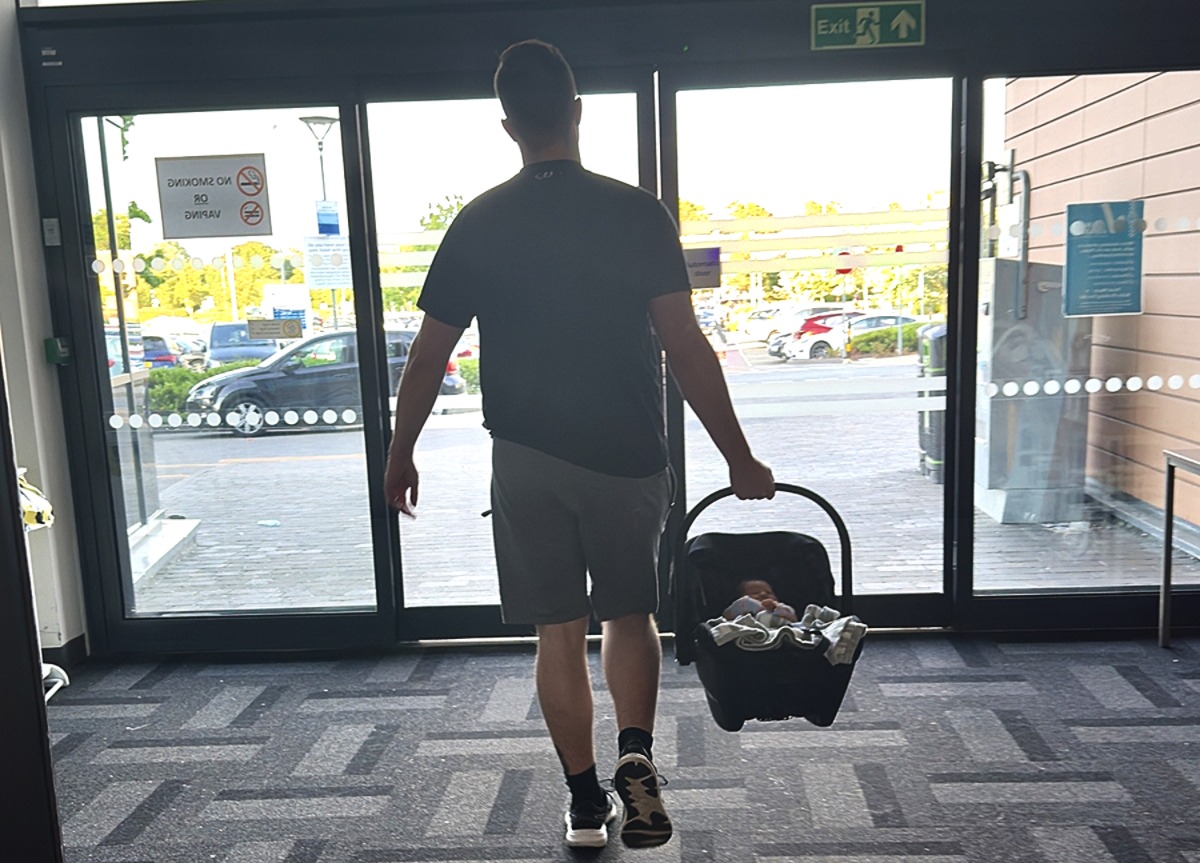
In May last year, I was in hospital on the delivery suite, giving birth. In that moment, I experienced healthcare not as someone working in the medical device industry, but as a patient – surrounded by the very technologies I help ensure are safe, effective, and compliant. Being on the other side of medical devices during such a significant and personal experience has given me a perspective I didn’t expect, and one that I carry with me as I return to my role in quality and compliance.
From Technical Documentation to Real-World Trust
In my day-to-day work, medical devices are defined by requirements, risk assessments, technical documentation, and regulatory standards. We focus on evidence, traceability, and demonstrating that devices consistently meet their intended purpose. It’s structured, methodical, and necessarily rigorous. On the delivery suite, none of that was visible. And yet all of it mattered. The monitors, sensors, instruments and equipment around me weren’t “devices” or “systems”, they were part of the care I needed. Their reliability was assumed, their performance trusted without question. As a patient in labour, you don’t think about conformity assessments or validation activities. You trust that they’ve been done, thoroughly and thoughtfully, by people who understood what was at stake.
Why Quality and Compliance Matter in Real Clinical Moments
As I reflect, what stands out most was how closely quality and compliance are tied to the human experience. Requirements around usability, alarms, labelling, and risk management directly influence how clinicians can focus on care, and how safe and reassured patients feel at vulnerable moments. On the delivery suite, clarity, consistency, and reliability weren’t abstract concepts, they shaped the entire experience.
Reframing Risk Management and Patient Safety
Returning to work now, I see standards, audits, and documentation through a more personal lens. Risk management isn’t just about identifying hazards. It’s about protecting people at real moments in their lives. Post-market surveillance isn’t just trend analysis, it’s listening for signals that could prevent harm. Compliance isn’t about meeting minimum requirements, it’s about earning and maintaining trust. Becoming a patient, and a parent, hasn’t changed my belief in the importance of quality and compliance. It’s strengthened it. It’s reaffirmed why attention to detail matters, why questions should always be asked, and why our role exists in the first place.
Bringing the Patient Perspective Back Into MedTech
As I settle back into work, I carry that delivery suite perspective with me. Behind every procedure, record, and requirement is someone relying on medical devices to work exactly as they should, often at one of the most significant moments of their life. That understanding makes returning to work feel not just familiar, but deeply meaningful.
Get It Done, With Certainty.
Contact us about your testing requirements, we aim to respond the same day.
Get resources & industry updates direct to your inbox
We’ll email you 1-2 times a week at the maximum and never share your information