Why Biomedical Engineers Are Critical to Digital Healthcare

Article Summary
Biomedical engineers are essential to modern healthcare, ensuring the safe operation, integration, and performance of increasingly complex and digital medical devices. As healthcare becomes more technology-driven, their role has evolved from maintenance to critical decision-making across the entire device lifecycle.Article Contents
The Rise of Medical Devices in Healthcare
Try to think of a time when you visited a hospital, a Dr’s clinic or another healthcare facility and then try to remember how many medical devices you had either seen around you or had been connected to you? Now try and remember how many of those devices were electronic or not? The only traditional tool used by clinicians that has no electronic components is the stethoscope, and even these are now going “digital” and becoming connected to AI software.
Now try and imagine all the medical devices breaking down. Who looks after them? Who fixes them? How do we now diagnose and treat a patient? How are they selected?
The Evolving Role of Biomedical Engineers
The life of a modern biomedical engineer is rapidly changing fast as the world races within the field of domestic and medical device technology. An experienced biomed can be qualified or well versed in a matter of different skills including the following: Mechanical, electronic, electrical, thermal, fluid, software and IT related skills.
I have always explained how a biomed is like a hospital consultant within a specialist field. If you broke a bone, you would see an orthopaedic consultant, a heart related illness requires a cardiac consultant. A biomed does not specialise in one field but many and will often work in every field of skillset. Of course, we will have certain modalities at which we have focused more technical training alongside manufacturer training.
Specialist Areas: Neonatal Care and Anaesthetics
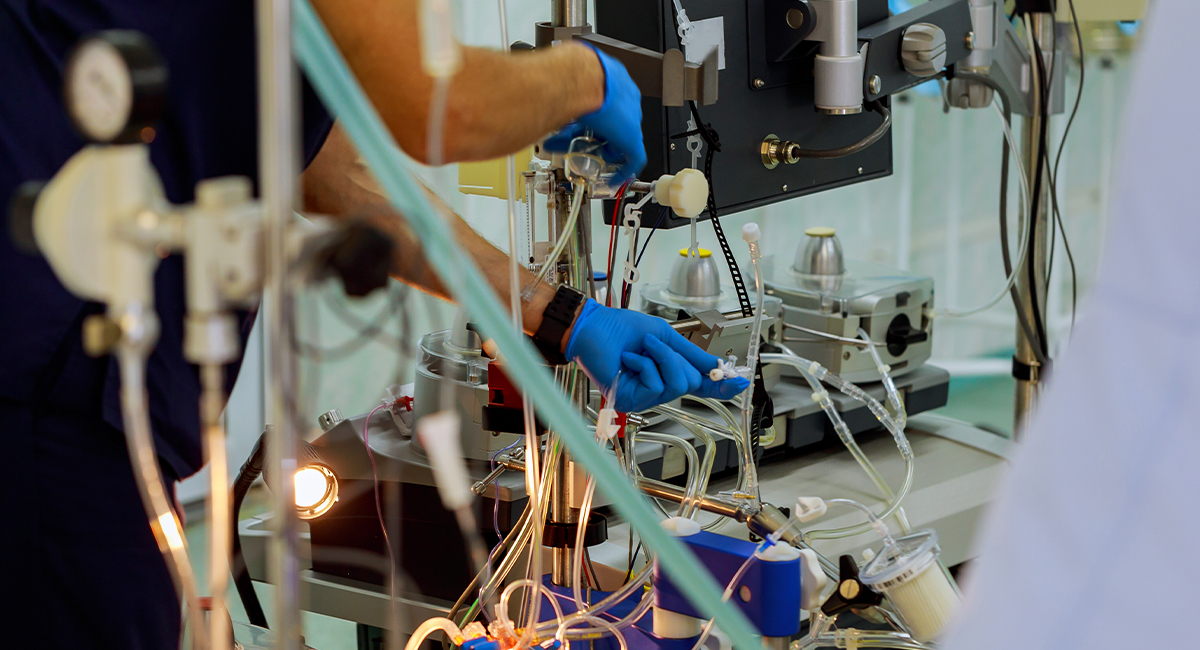
In my senior technician role, it is infant care and anaesthetics, patient ventilation and patient monitoring. My role covers the servicing and repairing and support of neonatal incubators and the monitoring that interacts with the neonates. This includes foetal monitoring CTG devices, respiratory devices, ultraviolet phototherapy devices to treat Jaundice, patient monitoring and patient thermal regulation devices.
Anaesthetics combines ventilation, patient monitoring, nerve stimulation and depth of anaesthesia monitoring alongside patient warming devices.
My role also covers the repairing, maintaining and supporting of the following devices including fluid management systems such as drug and fluid infusion devices, blood warming devices, diagnostic devices such as CTG foetal monitoring devices, Ultrasounds, blood pressure monitors, SP02 monitors, dopplers, stack systems, invasive patient monitoring systems, cardiac monitoring and ECG recorders alongside dozens of other devices.
But this isn’t just about maintaining equipment. These devices are increasingly interconnected, software-driven, and critical to real-time clinical decision-making. If one element fails or performs incorrectly, it doesn’t just impact a single device – it can compromise an entire care pathway, particularly in high-risk environments like neonatal and surgical care.
The Critical Role of BioMed in Modern Healthcare
A BioMed is becoming more than somebody who repairs and maintains a medical device. They are crucial to the modernisation of a healthcare environment from the beginning right up until the end. They will often understand very quickly if something is going to work or if it won’t.
But understanding the role is only part of the story. The real challenge lies in managing the devices themselves: their lifecycle, integration, and long-term performance within complex healthcare systems.
Disclaimer. The views and opinions expressed in this article are solely those of the author and do not necessarily reflect the official policy or position of Test Labs Limited. The content provided is for informational purposes only and is not intended to constitute legal or professional advice. Test Labs assumes no responsibility for any errors or omissions in the content of this article, nor for any actions taken in reliance thereon.
Get It Done, With Certainty.
Contact us about your testing requirements, we aim to respond the same day.
Get resources & industry updates direct to your inbox
We’ll email you 1-2 times a week at the maximum and never share your information