Engineering the Next Step in Bystander CPR

Article Summary
Engineering innovation could make high-quality mechanical CPR easier for bystanders to deliver, potentially reducing hesitation, fatigue and delays before professional help arrives.Article Contents
The Urgent Need for Better Bystander CPR
Every year, hundreds of thousands of people in the United States experience out-of-hospital cardiac arrest. Despite decades of advances in emergency medicine, only one in ten patients survive to hospital discharge. One factor consistently makes the greatest difference: CPR started immediately by a bystander nearby.
Why Bystanders Hesitate to Perform CPR
The problem is that bystander CPR happens far less often than it should. Many people hesitate because they are unsure of their skills, afraid of making a mistake, or overwhelmed by the situation. A nationally representative American Heart Association survey found that lack of training or knowledge was the leading reason people were reluctant to perform CPR, while nearly one-third also cited fear of hurting the person or facing legal consequences. Even people who have received CPR training may still lack the confidence to intervene during a real emergency.
How Technology Could Make CPR More Accessible
Engineers and clinicians are increasingly exploring how technology can help bridge this gap. Rather than expecting untrained bystanders to perform perfect CPR under immense pressure, new approaches aim to make high quality resuscitation more accessible through intuitive, easy-to-use devices.
Why Immediate CPR Matters in Cardiac Arrest
Bystander’s help in case of cardiac arrest is critical to continue the circulation of blood. When the heart fails to effectively pump blood, it prevents oxygen from reaching the brain and other vital organs. Without immediate treatment, irreversible damage begins within minutes so every minute without effective CPR significantly reduces the chance of survival.
The Physical Challenge of High-Quality CPR
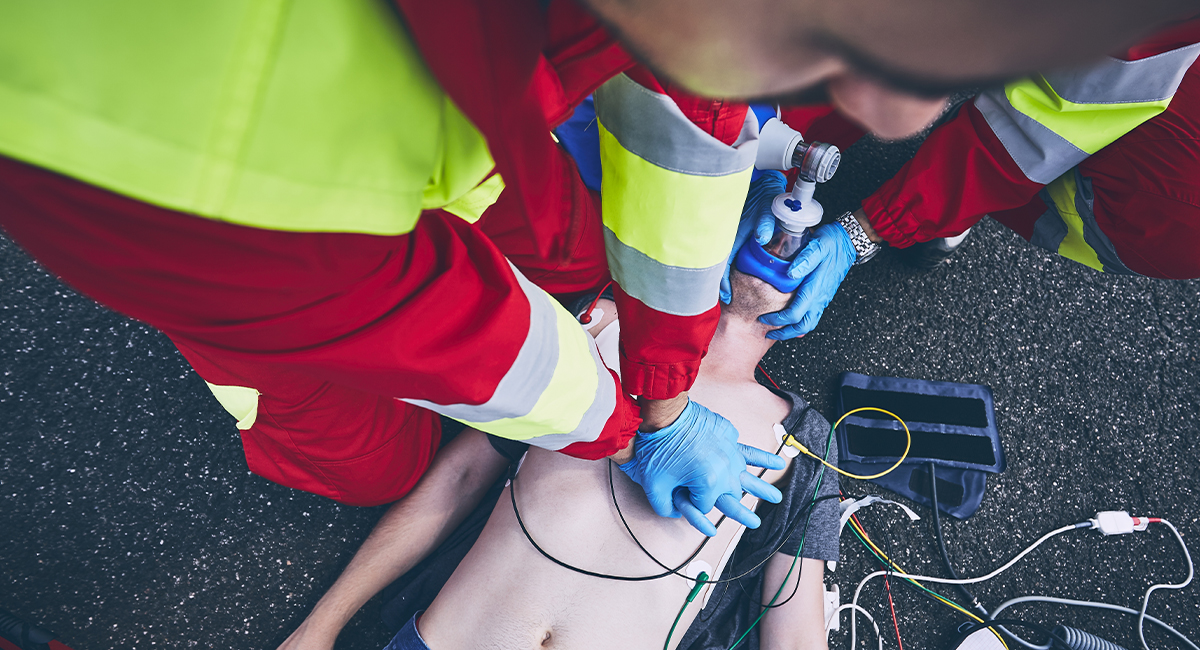
However, providing high quality CPR is far more demanding than many people realise. Current guidelines recommend delivering compressions at a rate of 100 to 120 per minute while pushing the chest approximately two inches. Maintaining that pace and depth requires considerable physical effort. On average, it takes 120 pounds of force to achieve the correct depth. Even trained emergency responders frequently alternate to prevent fatigue from reducing CPR quality.
How Mechanical CPR Devices Improve Compression Quality
Mechanical CPR has already demonstrated that these limitations can be overcome with the help of technology. Devices such as the LUCAS system are used by emergency medical services to provide consistent chest compressions during patient transport or prolonged resuscitation. They eliminate rescuer fatigue and maintain compression quality when manual CPR becomes difficult. However, these systems were designed for professionals working in ambulances and hospitals as they are large, expensive, and require experience to deploy effectively.
What Mechanical CPR Can Learn from AEDs
The challenge facing bystander-operated mechanical CPR is similar to the one defibrillation faced decades ago. Before automated external defibrillators (AEDs) became common, defibrillation required specialised equipment and trained medical personnel. AEDs changed that by automating complex clinical decisions and guiding users through the process with clear, step by step instructions. Today, AEDs are trusted fixtures in schools, airports, workplaces, sports facilities, and countless other public spaces.
Mechanical CPR has not yet experienced the same transformation. Researchers and engineers are now exploring how these systems can be redesigned specifically for ordinary people during the critical minutes before professional responders arrive. One example is HeartBridge, a bystander-focused mechanical CPR device developed by engineers at MIT, which is exploring how these challenges can be addressed through intuitive, rapid deployment and simplified operation.
Designing Mechanical CPR Devices for Bystanders
Designing for bystanders requires a very different engineering approach than designing for hospitals. A bystander may have no medical training, no prior experience with the device, and only seconds to decide whether to intervene. Every additional instruction, adjustment, or decision increases hesitation and delays treatment.
Successful bystander-operated devices will need to minimise setup time, reduce user decisions, and create an intuitive deployment process that can be used correctly under stress. At the same time, they must meet the demanding requirements of safety, reliability, clinical validation, and regulatory approval before they can be deployed in public settings.
The Role of Engineering in the Future of CPR
The long-term opportunity for bystander-operable CPR devices is immense. Just as AEDs transformed defibrillation from a procedure performed only by medical professionals into one that millions of ordinary people are prepared to use, mechanical CPR has the potential to follow the same path. Realising that vision will require thoughtful engineering, rigorous clinical validation, and a deep understanding of how people respond under pressure.
Whether through improved training, real time feedback systems, or new mechanical assistance technologies, engineering has an important role to play in making high quality CPR more accessible. Achieving that vision will require thoughtful design, rigorous clinical validation, and a deep understanding of how people respond under pressure, but it has the potential to help more bystanders act with confidence when every second counts.
References
- American Heart Association. 2025 Heart Disease and Stroke Statistics: A Report of U.S. and Global Data From the American Heart Association. Circulation. 2025.
- American Heart Association. New survey: Only 6 out of 10 adults feel comfortable taking charge and giving CPR. American Heart Association News. 2022. Available from: https://newsroom.heart.org/news/new-survey-only-6-out-of-10-adults-feel-comfortable-taking-charge-and-giving-cpr
- American Heart Association. Treatment of Cardiac Arrest. American Heart Association. Available from: https://www.heart.org/en/health-topics/cardiac-arrest/emergency-treatment-of-cardiac-arrest
- American Heart Association. 2025 American Heart Association and American Red Cross Guidelines for Cardiopulmonary Resuscitation and Emergency Cardiovascular Care. Circulation. 2025.
- Stryker. LUCAS Chest Compression System Product Information. Stryker. Available from: https://www.stryker.com/us/en/emergency-care/products/lucas.html
- HeartBridge. Automatic CPR. HeartBridge. Available from: https://heartbridgecpr.com
Disclaimer. The views and opinions expressed in this article are solely those of the author and do not necessarily reflect the official policy or position of Test Labs Limited. The content provided is for informational purposes only and is not intended to constitute legal or professional advice. Test Labs assumes no responsibility for any errors or omissions in the content of this article, nor for any actions taken in reliance thereon.
Get It Done, With Certainty.
Contact us about your testing requirements, we aim to respond the same day.
Get resources & industry updates direct to your inbox
We’ll email you 1-2 times a week at the maximum and never share your information