A New Era in Electronic Traceability: Data-Driven Insight for Safer, Smarter, and More Sustainable Medical Device Reprocessing

Article Summary
Integrated electronic traceability is transforming medical device reprocessing by unifying fragmented systems into a single, data-driven ecosystem. This shift enables real-time visibility, improved patient safety, operational efficiency, and measurable sustainability across healthcare workflows.Article Contents
Introduction
The reprocessing of medical devices is fundamental to delivering safe, high-quality healthcare. Ensuring that every instrument, whether a surgical set, flexible endoscope, or high-risk diagnostic probe, is cleaned, disinfected, sterilised, tracked, and verified correctly is essential for patient safety, regulatory compliance, and operational performance. Yet many healthcare organisations still rely on disconnected digital systems that separate reprocessing workflows from equipment data.
Traditional electronic traceability platforms have recorded staff activity and instrument movements but stored washer-disinfector, steriliser, AER, and high-level disinfection data in separate systems. This fragmentation leads to data mismatches, unnecessary manual work, reduced productivity, and limited analytics. As public and private healthcare face mounting pressures around efficiency, sustainability, and increasing patient waiting times, a fragmented approach is no longer viable. Today, a new era of electronic traceability is emerging – one centred on real-time integration, organisation-wide visibility, and centralised data powered by intuitive dashboard reporting.
The Limitations of Traditional Traceability Approaches
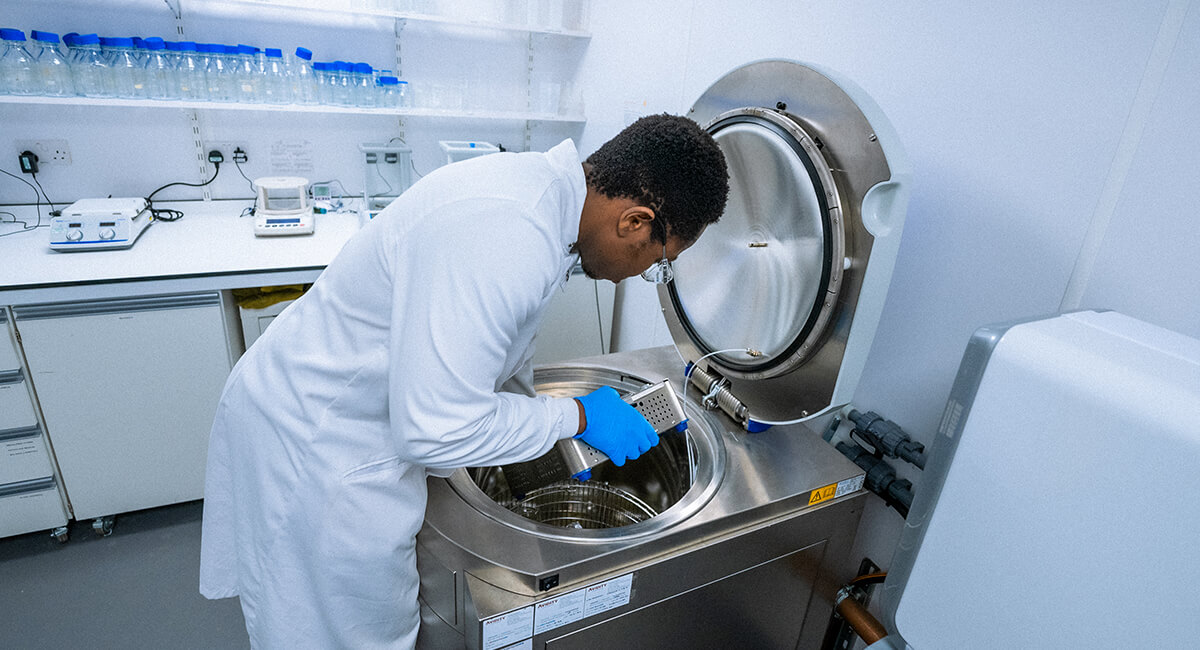
Legacy traceability systems record steps in the reprocessing cycle but operate separately from washer-disinfectors, sterilisers, endoscope reprocessors, and probe disinfection units. This separation results in incomplete and mismatched data, as the manual reconciliation of cycle data increases the risk of missing or inaccurate records. Furthermore, staff productivity is reduced when personnel must spend time switching between systems to re-check and validate data. These silos also lead to slow or incomplete investigations because essential trend analysis is difficult without unified data sources. Finally, sustainability reporting gaps remain a challenge, as water, energy, and chemical usage data cannot be reliably extracted or assessed from disconnected platforms.
The Move Toward Integrated, Insight-Driven Traceability
Next-generation platforms integrate washer-disinfectors, sterilisers, AERs, and high-level disinfection units for cardiac, TOE, and ultrasound probes into a single, intelligent ecosystem. Key benefits of this move include the real-time synchronisation of all reprocessing data and automated validation that significantly reduces manual entry requirements. This integration allows for robust operational analytics across the entire workflow and provides sustainability metrics with precise consumption data. Ultimately, it ensures full patient-to-device audit trails that are both transparent and defensible.
Centralised Data with Dashboard Reporting
The requirement to consolidate all traceability, equipment, and clinical usage data into one centralised repository. This enables the use of visual dashboards showing throughput, device availability, delayed processes, and bottlenecks. Managers can access heat maps of instrument demand and theatre usage, alongside trend reports on device condition, probe disinfection compliance, and AER performance. These management-level insights are vital for planning, budgeting, and strategic decision-making, transforming how sterile services, theatres, and endoscopy departments operate day to day.
Extending Traceability Beyond the Sterile Services Department
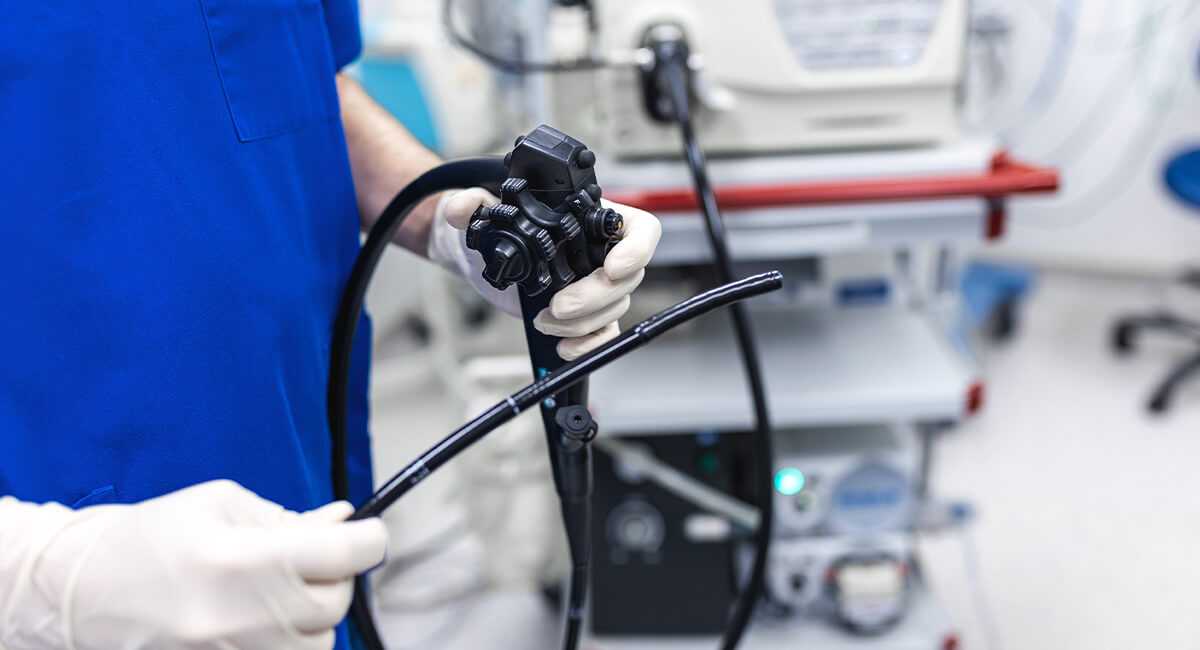
Integrated traceability must follow devices beyond the decontamination unit, through theatres, endoscopy, and diagnostic areas, and back again. Flexible endoscopes, cardiac, TOE, and ultrasound probes require strict tracking due to their clinical risk profile. Modern systems record washer-disinfector and AER cycles, high-level disinfection unit outputs, and storage duration and expiry to ensure a full patient-to-scope and patient-to-probe usage history while maintaining compliance with reprocessing timeframes.
For cardiac, TOE, and ultrasound probes cleaned at the point of care, traceability platforms there is a requirement to document each stage of the three-stage disinfection wipe process. This includes capturing the operator identity and timestamp, ensuring contact time compliance, and validating the location. By automatically linking this information with subsequent high-level disinfection, hospitals maintain a complete, defensible chain of evidence for high-risk device processing.
Theatres, Point-of-Use Tracking, and Clinical Areas
Integrating traceability into theatre workflows enables the automatic recording of devices used on each patient and the real-time identification of device locations. This improves instrument availability for surgical lists and reduces manual checks for faster turnover. Integration with theatre sterile stores and clinical areas provides effective stock rotation and immediate visibility of set availability, which significantly reduces the risk of using out-of-date or unprocessed instruments.
Addressing the cost of misplaced or lost medical devices is equally critical. Misplaced surgical sets, endoscopes, and probes result in significant replacement costs, delays during surgical or diagnostic sessions, and procedure cancellations that affect patient flow. These issues increase waiting times and add pressure to national targets, but end-to-end traceability dramatically reduces these occurrences.
Integration with Hospital Systems
Modern platforms integrate with asset management, theatre scheduling, endoscopy reporting systems, Electronic Patient Records (EPRs), and procurement and inventory systems. This enables each device to be tracked across its full lifecycle and identified using barcodes, UDI, or RFID. Every instrument is recorded against every patient case and monitored for wear, utilisation, and replacement needs.
Through this centralised data healthcare organisations gain greater efficiency as dashboards highlight bottlenecks to aid resource allocation. Improved device utilisation is achieved through insight into under- or over-used sets, while enhanced governance is supported by instant access to complete patient-to-device histories. Additionally, sustainability improvements are realised through clear metrics for reducing water, chemical, and energy use.

Implementation Challenges
Implementing an integrated traceability platform offers major opportunities to enhance efficiency and patient safety. As hospital systems connect differently with newer platforms, integration can be streamlined and modernised to suit local workflows. With clear change management and practical staff training, adoption is readily achievable. Strong data governance and cybersecurity ensure information remains protected while unlocking the benefits of connected systems. Though investment is required, longterm gains – including less manual work, fewer delays, better device availability, and improved patient safety – are significant. With a well planned approach, organisations can transition confidently to a connected, future-ready traceability environment.
Real World Impact: Improving Productivity, Efficiency, and Sustainability
Hospitals are already seeing measurable benefits from integrated electronic traceability, with The Ulster Independent Clinic providing a practical example. Following implementation across endoscopy and sterile services, the system enabled improved visibility of instruments, trays, and stock levels through centralised, real-time dashboards.
By reducing manual paperwork and enabling device tracking via QR codes and mobile access, the clinic reported improved productivity and clearer oversight across operating theatres, AERs, washer-disinfectors, and sterilisers. Staff adoption was supported by intuitive workflows and streamlined access to information, helping reduce manual checks and administrative burden.
The cloud-based model also supports secure data storage, accessibility, and reduced reliance on paper records, contributing to both operational efficiency and sustainability goals.
This example highlights how integrated traceability can help healthcare organisations streamline workflows, strengthen governance, and improve confidence in reprocessing data through better visibility and automation.
A Fully Connected Future for Reprocessing and Patient Safety
Electronic traceability has evolved from a basic tracking tool into an integrated digital ecosystem supporting safety, efficiency, and sustainability across the entire clinical environment. With centralised data and dashboard reporting, healthcare organisations can operate more intelligently, confidently, and transparently. By integrating washer-disinfectors, sterilisers, AERs, probe disinfection systems, theatres, endoscopy units, and clinical systems, providers gain a complete, real-time view from decontamination to patient and back again, enhancing patient safety, preventing lost devices, and supporting better outcomes.
Disclaimer. The views and opinions expressed in this article are solely those of the author and do not necessarily reflect the official policy or position of Test Labs Limited. The content provided is for informational purposes only and is not intended to constitute legal or professional advice. Test Labs assumes no responsibility for any errors or omissions in the content of this article, nor for any actions taken in reliance thereon.
Get It Done, With Certainty.
Contact us about your testing requirements, we aim to respond the same day.
Get resources & industry updates direct to your inbox
We’ll email you 1-2 times a week at the maximum and never share your information