The Real Complexity Behind Electromechanical Autoinjectors

Article Summary
Electromechanical autoinjectors are complex systems where vial size, viscosity, motor performance, battery limits, and user requirements are tightly interdependent.Article Contents
Autoinjectors
The complexity of an autoinjector is rarely understood correctly.
What looks like a simple injection device is, in reality, a system balancing vial constraints, viscosity across temperature ranges, piston stroke, motor performance, battery capacity, and regulatory requirements.
When these factors are underestimated, the result is predictable: redesigns, delays, and devices that struggle to perform consistently in real-world conditions.
Here’s what actually happens when you try to build one.
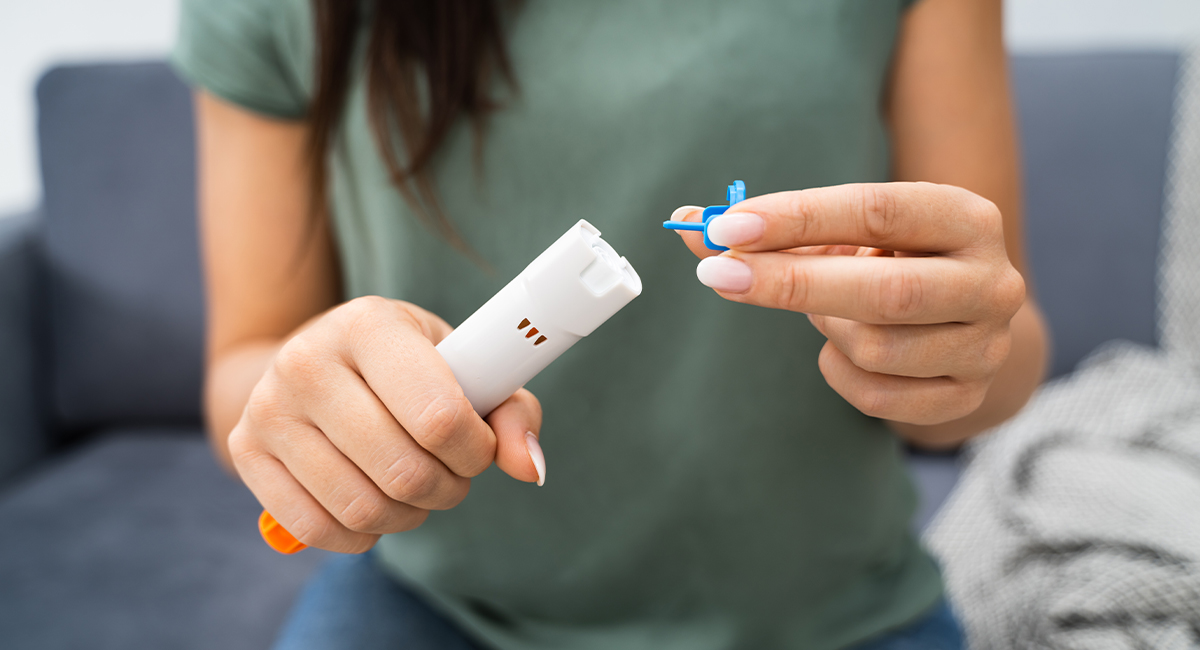
The Vial Problem: Where It All Starts
Every project begins the same way: on paper, everything works.
Then you step into the vial market.
The 1 ml format looks ideal – compact, easy to integrate, and leaving space for the mechanism. But commercial requirements quickly expand the scope to 3 ml or even 5 ml.
This is where complexity escalates.
These are not small variations – they fundamentally change the system:
- Motor performance shifts with viscosity and volume
- Battery capacity limits how many injections are possible
- Small motors introduce reliability risks
- Plunger incompatibility forces multiple device architectures
- Stroke length increases significantly with larger volumes
What initially looks like a single product often becomes multiple devices.
The impact is immediate: increased development cost, longer timelines, and a higher risk of failure during scale-up.
Drive System Selection: Spring vs Motor
One of the most critical decisions is the injection drive system.
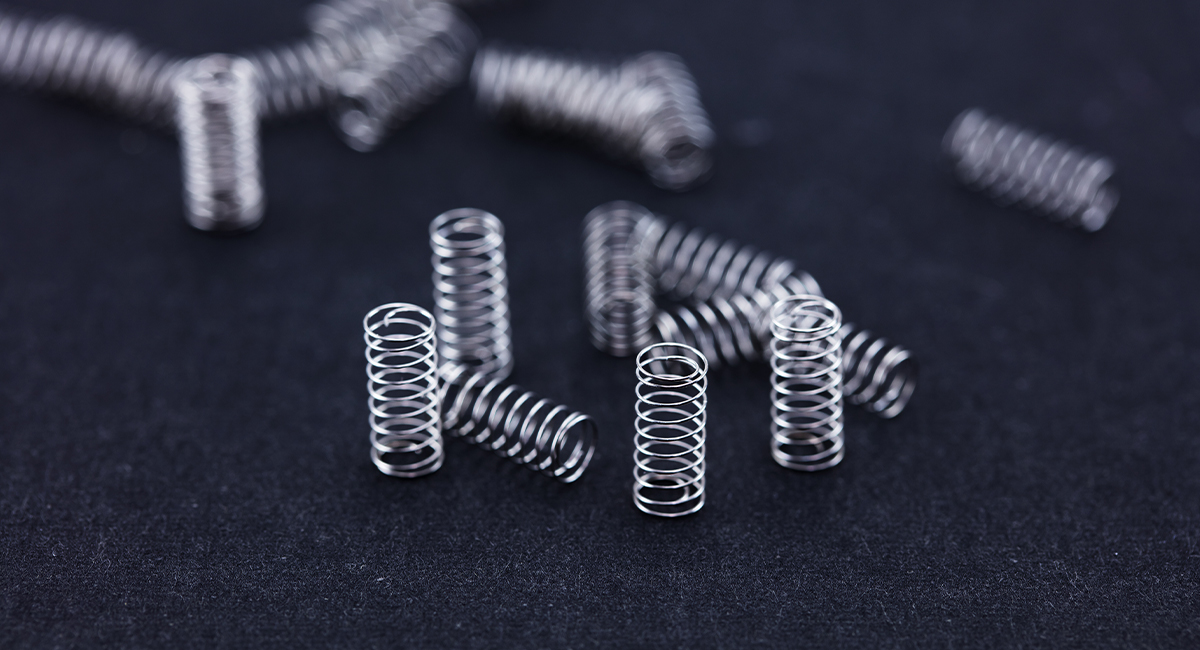
Spring-based autoinjectors dominate because they are simple, cost-effective, and proven. But as therapies evolve – higher viscosity, larger volumes, more sensitive biologics – their limitations become harder to ignore.
Why Spring-Based Systems Struggle
- Fixed injection profile
A spring delivers a predefined force curve with no adaptability.
Patients vary. Pain sensitivity varies. Drug profiles vary.
Without control, injection speed cannot be optimised – leading to discomfort or poor user experience.
- No response to viscosity changes
Formulations behave differently depending on temperature and composition.
A constant-force system cannot adapt, which can result in:
- Unpredictable injection times
- Increased internal pressure
- Incomplete dose delivery
- Mechanical stress on biologics
Rapid energy release creates shear forces and turbulence.
For sensitive proteins, this introduces risk to drug stability and efficacy.
- Limited functionality
A spring can push, but it cannot pull.
Needle retraction or controlled motion requires added mechanisms, removing the simplicity advantage.
The consequence: systems that work in controlled conditions but struggle with variability in real-world use.
Key Design Decisions in Electromechanical Systems
Electromechanical autoinjectors exist to manage this variability, but they introduce their own trade-offs.
Battery Strategy: Cost vs Usability
At first glance, standard batteries are cheaper.
Rechargeable systems require additional components – charging circuits, connectors, sealing – which increase cost and complexity.
But standard batteries limit usage.
The trade-off is clear:
- Lower upfront cost vs long-term usability
- Simpler design vs expanded functionality
New requirements, such as removable batteries, add further design constraints – impacting sealing, durability, and assembly.
Skin Detection: Simplicity vs Performance
Skin detection ensures the device activates only when correctly positioned.
- Electrical sensors offer strong performance but increase complexity, cost, and integration challenges
- Mechanical systems are simple and robust, but less flexible
This decision directly affects reliability, cost, and ease of manufacturing.
User Feedback: Clarity vs Complexity
Users need clear feedback: ready, in progress, complete, or failed.
This is achieved through sound, light, or visual indicators.
Poor feedback leads to user uncertainty, which can result in misuse or incomplete dosing. This is patient safety.
Motor Selection: The Core Constraint
The motor must fit within tight space constraints while delivering sufficient force.
This depends on:
- Available power
- Battery capacity
- Required injection performance
Smaller motors reduce space but introduce reliability challenges.
This is one of the most difficult trade-offs in the system: balancing size, power, and longevity without compromising performance.
Final Thought
The idea of a single, simple autoinjector architecture that works for every drug and every patient is appealing. But reality is less forgiving.
Viscosity changes. Patients vary. Biologics are sensitive. Constraints compound.
Electromechanical systems exist because these challenges are real, not because complexity is desirable. Ignoring them leads to delays, redesigns, and devices that fail outside controlled conditions. Understanding them is what enables devices to succeed in the real world.
Disclaimer. The views and opinions expressed in this article are solely those of the author and do not necessarily reflect the official policy or position of Test Labs Limited. The content provided is for informational purposes only and is not intended to constitute legal or professional advice. Test Labs assumes no responsibility for any errors or omissions in the content of this article, nor for any actions taken in reliance thereon.
Get It Done, With Certainty.
Contact us about your testing requirements, we aim to respond the same day.
Get resources & industry updates direct to your inbox
We’ll email you 1-2 times a week at the maximum and never share your information