Medical Device Manufacturing: From Concept to Market

Article Summary
Medical device manufacturing transforms clinical ideas into safe, effective technologies that improve patient care. The process spans concept design, material selection, regulatory approval, and post-market monitoring. With evolving global standards and emerging trends like AI, sustainability, and personalised medicine, success depends on integrating quality, efficiency, and patient-cantered design from the start.Article Contents
How Are Medical Devices Made?
Medical devices are the backbone of modern healthcare. From simple thermometers to implantable pacemakers and AI-driven diagnostic tools, these technologies extend life expectancy, improve patient outcomes, and empower clinicians.
The global medical device market is projected to surpass $600 billion within the next decade, driven by aging populations, chronic diseases, and the rise of personalised medicine. Yet, bringing a device from idea to market is anything but straightforward. Every step, from design and materials to regulatory approval and post-market monitoring, must balance innovation with safety, compliance, and cost.
This article explores the journey of medical device manufacturing, highlighting the processes, challenges, and future trends shaping this essential industry.

From Idea to Concept: Where Do Medical Device Innovations Begin?
Every device begins with a problem. Ideas typically emerge from:
- Clinicians seeking better tools for diagnosis or treatment.
- Patients advocating for usability and comfort.
- Technology advances in areas like sensors, nanomaterials, and robotics.
Involving patients and clinicians early ensures devices solve real-world problems, not just technical challenges.
Early feasibility studies address questions such as:
- Is the idea technically viable?
- Does it solve a clinical need effectively?
- Can it be manufactured cost-efficiently?
Market research ensures the concept addresses not just a medical problem, but also a commercial opportunity.
Design, Development, and Risk Management: How Are Medical Devices Designed and Tested?
Design and development transform ideas into working prototypes. This stage is governed by ISO 14971, the global standard for risk management.
Key elements include:
- Verification & Validation (V&V): Ensuring the device is built correctly and performs as intended.
- Usability engineering: Making devices intuitive for clinicians and patients.
- Documentation: A traceable design history file is mandatory for regulators.
Did You Know?
The FDA requires companies to prove not just that devices work, but that users can operate them safely under stressful conditions.
Prototyping, often using 3D printing or CNC machining, enables quick iteration and refinement.
Material Selection and Prototyping: What Materials Are Used in Medical Devices?
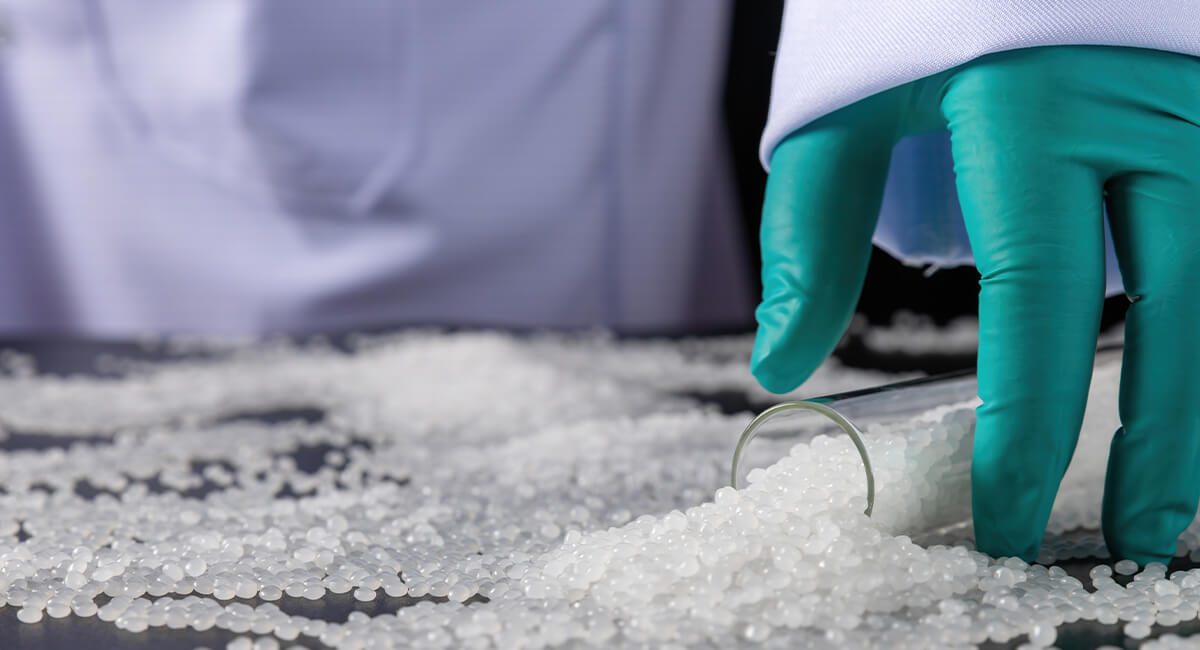
Choosing the right material is critical:
- Implantable devices must be biocompatible.
- Reusable instruments must tolerate repeated sterilisation.
- Disposable devices must balance safety with cost.
Manufacturers are exploring recyclable metals and biodegradable polymers to reduce healthcare’s environmental footprint.
Manufacturing Techniques in Detail: How Are Medical Devices Manufactured?
Medical device production relies on advanced precision techniques:
- 3D Printing: For patient-specific implants.
- CNC Machining: For surgical-grade tools.
- Injection Moulding: For disposables at scale.
- Microfabrication: For lab-on-a-chip diagnostics.
- Robotic assembly: To enhance sterility and consistency.
Quick Fact: A single pacemaker may contain over 100 precision components, each requiring exact tolerances.
Quality Management Systems (QMS): Why Compliance Matters
ISO 13485 is the global benchmark for QMS, ensuring repeatability and compliance. It covers:
Supplier qualification.
SOPs and traceability.
Corrective and preventive actions (CAPA).
Ongoing audits and training.
Without a certified QMS, regulatory approval is nearly impossible – regardless of how innovative the medical device is.
Regulatory Pathways by Region: How Are Medical Devices Approved?
Different regions regulate medical devices differently:
- United States (FDA): 510(k) for moderate-risk medical devices, PMA for high-risk.
- European Union (MDR): CE marking with stricter clinical requirements.
- Japan (PMDA): Demands localised evidence.
- Canada (Health Canada): Risk-based framework.
- China (NMPA): Often requires domestic trials.
Global Reality Check
Average medical device approval times:
• US FDA: 1–3 years
• EU MDR: 1–5 years
• Japan PMDA: 2–4 years
Scaling Up Production: How Do You Move from Prototype to Market?
Transitioning from prototype to market involves:
• Pilot runs to test consistency.
• Process validation to prove reliability.
• Supply chain qualification to ensure compliant materials.
• Automation to reduce variability.
Any change in supplier, material, or process often requires re-validation, adding months to timelines.
Clean Rooms and Sterility Assurance: How Is Medical Device Safety Maintained?
Clean rooms (ISO 5–8) are essential for implants and surgical tools. Sterilisation methods include:
• Ethylene oxide (EtO).
• Gamma irradiation.
• Steam sterilisation.
Validation ensures that sterilisation destroys pathogens without degrading the device.
Post-Market Surveillance and Lifecycle Management: What Happens After Approval?
Once on the market, medical devices must be monitored continuously.
• UDI systems support recall tracking.
• Adverse event reporting is mandatory.
• Lifecycle management includes software patches, hardware updates, and redesigns.
Failing to act on post-market data can result in recalls, legal action, and reputational damage.
Challenges in Medical Device Manufacturing
This sector faces unique pressures:
• Complex regulation across regions.
• Rising costs of compliance.
• Cybersecurity threats to IoT devices.
• Slow time-to-market versus fast-moving tech.
On average, it takes 3–7 years and tens of millions of dollars to bring a high-risk device to market.
Future Trends: What’s Next for Medical Device Manufacturing?
The next decade promises transformation:
• AI-powered devices for predictive care.
• IoMT (Internet of Medical Things) enabling remote monitoring.
• Nanotechnology for ultra-precise diagnostics.
• Personalised medicine with patient-specific devices.
• Green manufacturing using sustainable materials.
The winners will be those who innovate responsibly and meet global regulatory standards.
Why Medical Device Manufacturing Matters
Medical device manufacturing is a complex, high-stakes journey where innovation meets regulation. From concept to market, every stage demands precision, transparency, and an unwavering focus on patient safety.
Companies that successfully navigate design, compliance, and production achieve commercial success, transform healthcare and save lives.
Case Study Reference
This article is supported by insights from the following case study:
TidalSense – Personal Capnometer (Medical Device Development Case Study)
A practical example of early stage concept development, optical and electronic engineering, clinical trial preparation, and CE marking for a respiratory monitoring device. Following clinical trials, the product moved through development for manufacturing and finally mainstream manufacturing in a Pivot ISO 13485 manufacturing site.
Disclaimer. The views and opinions expressed in this article are solely those of the author and do not necessarily reflect the official policy or position of Test Labs Limited. The content provided is for informational purposes only and is not intended to constitute legal or professional advice. Test Labs assumes no responsibility for any errors or omissions in the content of this article, nor for any actions taken in reliance thereon.
Get It Done, With Certainty.
Contact us about your testing requirements, we aim to respond the same day.
Get resources & industry updates direct to your inbox
We’ll email you 1-2 times a week at the maximum and never share your information