When MedTech Becomes Personal: A Call to Design Devices for Children

Article Summary
A personal experience in a paediatric hospital led medical device consultant Edwin Lindsey to confront a persistent gap in healthcare: many devices used on children are still designed for adults. His story highlights the urgent need to better support clinicians and innovators in developing technologies tailored to the smallest patients.Article Contents
The Moment the Industry Became Personal
Edwin Lindsay has spent decades working across medical technologies. But when his grandson was born with a heart condition and required hospital care, those professional insights suddenly became personal.
In the early days after the birth, the baby needed monitoring equipment, including ECG probes. But the hospital did not immediately have paediatric versions available. There was discussion about adapting adult sensors, cutting them down to make them small enough.
“It really brought it home,” Edwin recalls. “You realise how often clinicians have to adapt what they have.”
Later, when the baby was transferred to a specialised paediatric unit, the difference was clear. The ward had equipment designed specifically for infants. But the earlier moment stayed with him: “Clinicians find ways to make things work, but we shouldn’t have to rely on that”.
When the Tools Don’t Fit the Patient
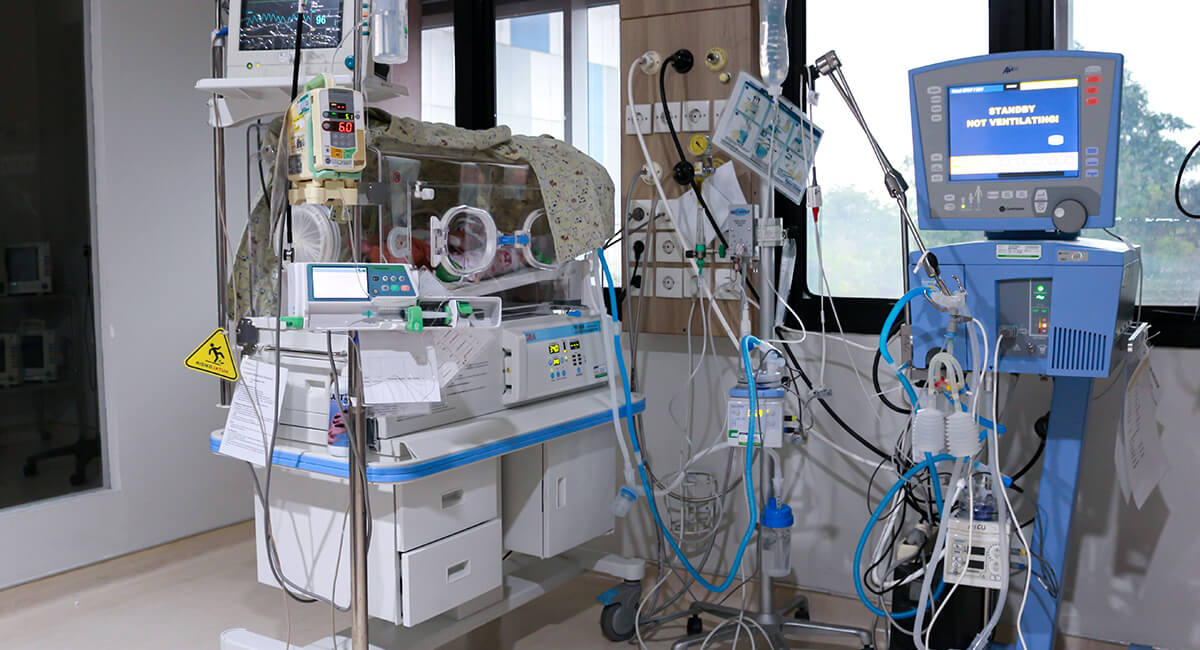
Across healthcare systems, clinicians caring for children often work with tools that were never designed for them. That can mean modifying equipment, using devices off-label, or adapting adult technologies for much smaller patients. None of these solutions are ideal. But clinicians do what they must to provide care. “They are incredibly resourceful,” Edwin Lindsay says. “But we should be designing devices with children in mind from the start.”
Why Children Are Harder to Design For
Designing medical devices for children is more complex than simply making smaller versions. Children grow quickly, meaning devices may require multiple sizes to accommodate newborns, infants, and toddlers. Each variation must be designed, manufactured, and tested. “You might need several versions of the same device,” Edwin explains. “Each one has to be developed and validated.”
Clinical research also presents challenges. Studies involving children require careful ethical oversight, and innovators may hesitate to test new technologies in vulnerable populations.
“There’s a natural fear factor,” Edwin says. “People worry about what happens if something goes wrong.”
Combined with smaller patient populations, these factors make paediatric innovation both costly and difficult to scale.
The Ideas That Come from the Ward
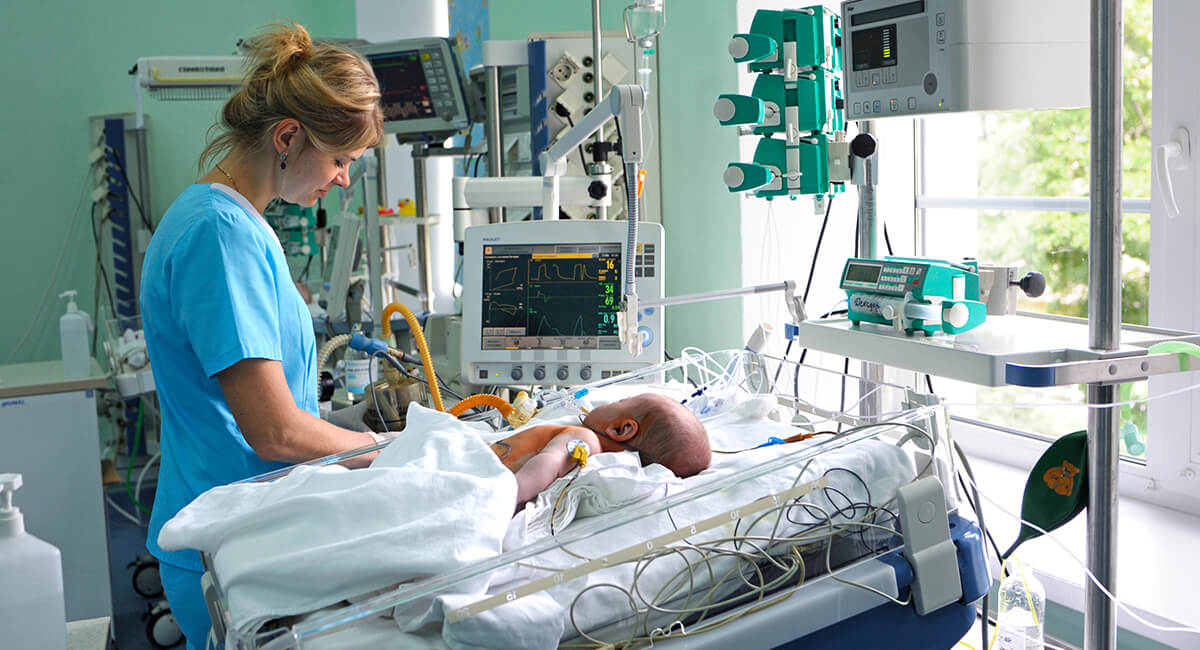
Despite these challenges, many of the most practical ideas for paediatric devices originate in hospitals. Nurses, surgeons, and clinicians encounter problems daily that existing technologies fail to solve. When necessary, they adapt adult tools or find creative workarounds.
During his grandson’s hospital stay, Edwin spent hours observing the clinical teams and asking questions about how they worked. What stood out most was their dedication. When he asked nurses why they chose to work with infants, their answer was simple: they loved working with babies.
“The compassion was incredible,” he says. “If your child is in one of those wards, they are in very good hands.”
But even the most skilled clinicians cannot compensate for equipment that was never designed for their patients.
“They have the training and the passion,” Edwin Lindsay says. “What we need to do as an industry is give them the right tools.”
From Experience to Action
Following the experience, Edwin began sharing his reflections online. He did not expect much response. Instead, the reaction from across the MedTech community was immediate. Professionals from testing laboratories, regulatory consultancies, design houses, and manufacturing firms reached out offering support. Some offered advice. Others offered time. A few companies even proposed reduced-cost services for promising paediatric projects.
“It’s been remarkable to see how many people want to help,” Edwin says.
For him, it reflects something important about the MedTech sector: despite commercial pressures, it remains a community motivated by improving patient care.
After decades in the industry, and following the sale of his company, Edwin Lindsay now wants to give something back. His focus is on the people who often struggle most at the start of innovation: clinicians, small startups, and individual innovators with practical ideas.
“Many of the best ideas come from nurses and surgeons,” he says. “They’re the ones seeing the issues every day.”
Sometimes all they need is guidance: help understanding regulatory pathways, development strategies, or feasibility. That early advice can make the difference between an idea reaching patients or disappearing before it ever leaves the drawing board.
Why Stories Matter in MedTech
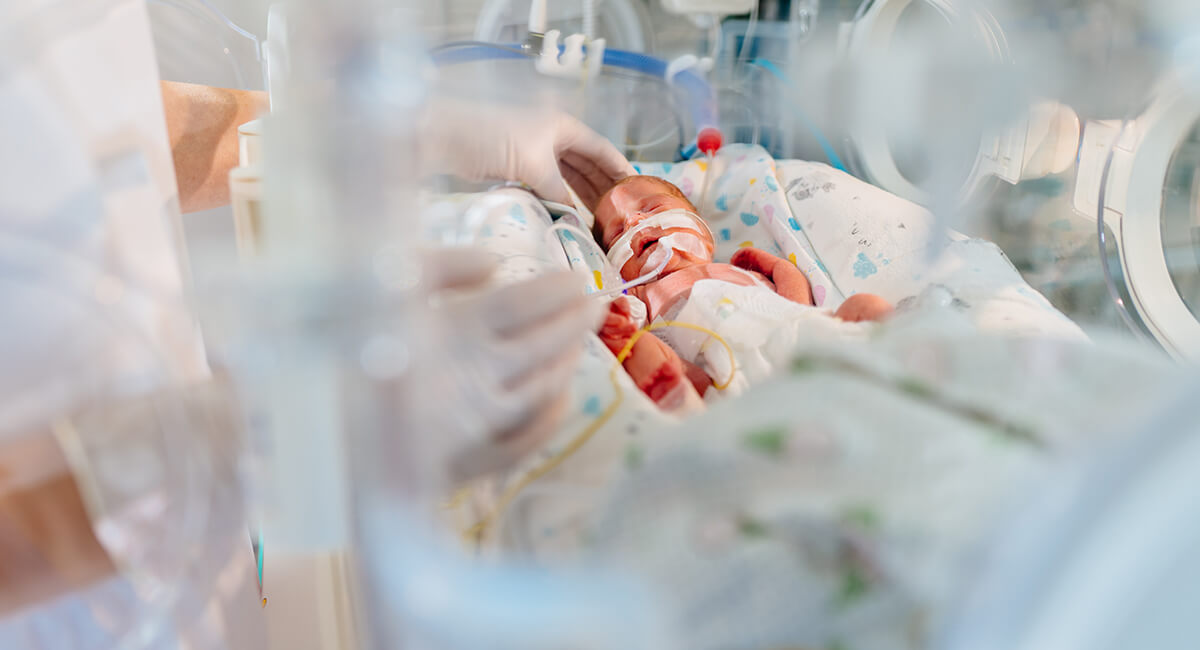
Since sharing his experience, Edwin has heard from many others with similar stories. Parents, clinicians, and innovators have reached out to describe their own encounters with paediatric healthcare. Many say the same thing: the issue rarely becomes visible until it touches someone personally.
“I knew there were challenges,” Edwin says. “But it doesn’t resonate until you’re sitting there watching it happen.”
For him, these stories often sit at the heart of meaningful innovation. Behind many medical technologies is a moment when a problem becomes impossible to ignore. Those experiences remind the industry why its work matters in the first place.
A Future Built on Better Tools
Despite the challenges, Edwin remains optimistic. The growing awareness of paediatric device gaps, and the willingness of people across the industry to collaborate, gives him hope. Ultimately, the goal is simple:
- Give clinicians the tools they need.
- Support innovators who want to make a difference.
- And ensure that children are no longer treated as an afterthought in device design.
“The people caring for these babies are extraordinary. They do incredible work every day.”
The responsibility of the MedTech industry is to make sure the technology matches that dedication. Because when it comes to the smallest patients, improvisation should never be the standard.
Get It Done, With Certainty.
Contact us about your testing requirements, we aim to respond the same day.
Get resources & industry updates direct to your inbox
We’ll email you 1-2 times a week at the maximum and never share your information