Fabric of the Next Human-Machine Interface

Article Summary
Advances in implantable and neural technologies point toward interfaces that connect directly with the nervous system, enabling new forms of treatment, communication and human-computer interaction.Article Contents
Introduction
The history of technology is, above all, a history of interfaces. Every major breakthrough has been defined by what machines can do and by how humans interact with them.
The personal computer introduced the keyboard, mouse and screen: a mediated window into the digital world. The smartphone compressed that window into the palm of our hand. Touchscreens, cameras and constant connectivity turned the internet from a destination into a continuous presence. Wearables moved technology closer still, placing sensors directly on the body and translating biological signals into real-time feedback.
At each stage, interfaces have moved closer, becoming more natural and more intimate. With the rise of artificial intelligence, this trajectory has accelerated. The system on the other side of the interface is no longer passive. We no longer issue rigid commands; we express intent, and the system responds with reasoning, context and synthesis.
Despite this leap in intelligence, our interfaces remain largely unchanged. Advanced AI is still accessed through keyboards, screens and microphones: tools designed long before machines could interpret language, intent or cognition. History suggests this mismatch is temporary. Each technological inflection point has eventually required a new physical interface to make it usable, scalable and human.
The question now is what form that interface will take.
The Evolution of Implantable Devices
In parallel with the evolution of consumer interfaces, another trajectory has been unfolding more quietly: the development of implantable medical devices.
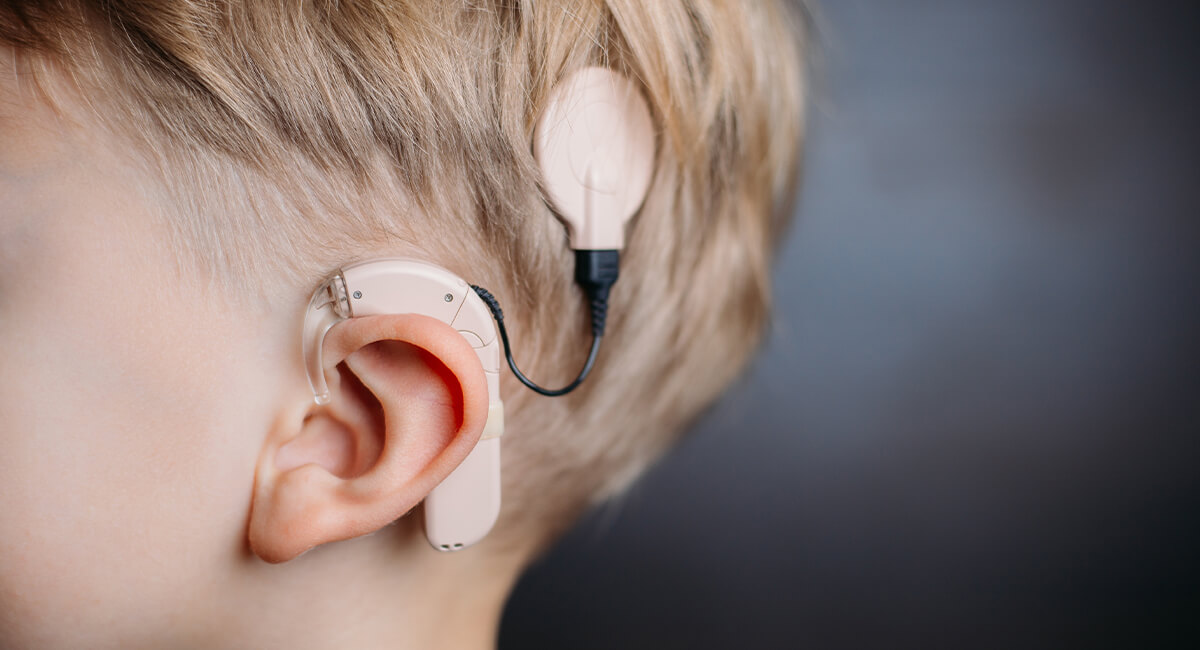
The first true implants appeared in the 1950s with pacemakers, using electrical stimulation to regulate heart rhythms. In 1961, the first cochlear implant demonstrated that direct stimulation of the nervous system could restore a lost human sense. Since then, cochlear implants have enabled hearing for well over a million people worldwide.
These early successes laid the foundation for a broader class of implantable systems that interact with the nervous system. Devices targeting the brain and peripheral nerves emerged to treat epilepsy, Parkinson’s disease and chronic pain. Over time, these systems evolved from simple stimulators into platforms capable of sensing, processing and responding to biological signals.
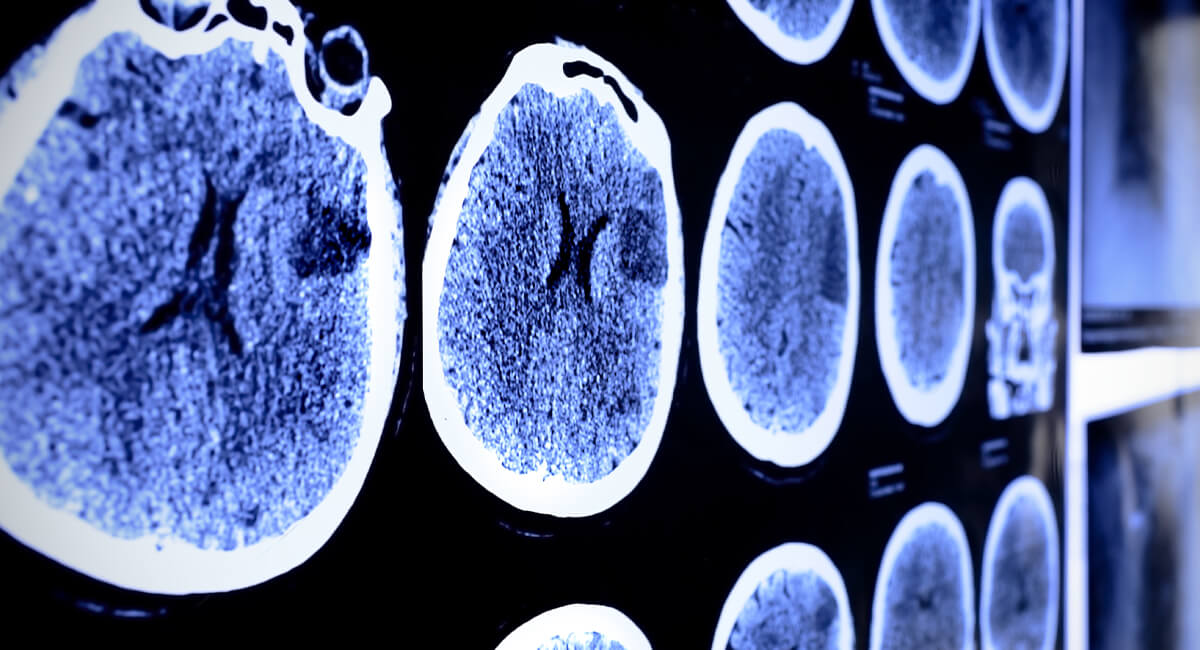
In the past decade, closed-loop neural devices and brain-computer interfaces (BCIs) have entered clinical use. For many patients, the impact has been transformative: reducing tremor, restoring movement, and enabling communication for individuals with severe paralysis through direct neural control of external devices.
What began as lifesaving cardiac technology has evolved into systems that interact directly with the nervous system: the body’s most information-dense and complex network.
Why Neural Interfaces are the Next Platform Shift
The direction of travel is clear. Interfaces move closer: from desks, to pockets, to skin. The next step is within the body.
Neural interfaces represent a fundamental shift in how humans may interact with machines. Rather than relying on external gestures or speech, these systems connect directly with neural activity, enabling bidirectional communication between biological and digital systems. In clinical settings, this enables treatment through sensing and modulation of the body’s own control signals. More broadly, it aligns machines more closely with intent, state and adaptation.
This is a spectrum of approaches:
- High-precision implants placed in the brain or spinal cord
- Minimally invasive systems delivered through blood vessels or placed beneath the skin
- Non-invasive headsets that infer neural activity externally
- Peripheral interfaces that interact with nerves and muscles before movement occurs
Together, these approaches open new possibilities. Neural interfaces can restore communication for patients with paralysis, improve treatment of neurological disorders, and enable more adaptive, personalised therapies. Over longer horizons, they may also support new forms of rehabilitation and human-computer interaction that move beyond screens entirely.
Mental health presents a particularly compelling application area. Rising rates of anxiety, depression and stress, especially among younger populations, are placing unprecedented strain on healthcare systems. Brain sensing and neuromodulation could enable earlier detection of risk states, more consistent monitoring of treatment response, and targeted interventions that complement existing therapies.
But the nervous system extends far beyond the brain. It is the body’s communication infrastructure, linking organs, immune response and metabolism. Technologies that interface precisely with neural pathways therefore reach beyond traditional neurology, engaging a biological control layer that has remained largely inaccessible with existing tools.
While adoption remains bounded by clinical validation, regulation and ethics, the direction is clear: neuro-aware systems will increasingly shape digital health. The potential size and impact of the overall opportunity for neural interfaces is reflected in its predicted growth: as reported by Forbes contributor Naveen Rao, Morgan Stanley recently assessed the total available market (TAM) for BCIs alone as $400 billion in the US.
Despite this promise, today’s neural interfaces remain constrained. Implantable systems must demonstrate long-term safety, stability and biocompatibility. Non-invasive approaches must balance signal quality against comfort and usability. Across all modalities, limits around power consumption, heat, data bandwidth and reliability remain fundamental barriers to scale.
These constraints are characteristic of an early platform transition.
How Semiconductors Will Unlock Scalable Neurotechnology
History offers a consistent lesson: technologies become universal only once their enabling hardware matures.
Personal computing existed long before it became practical; it scaled when microprocessors made computation compact and affordable. Smartphones were envisioned decades before they became viable; low-power system-on-chip architectures finally made them ubiquitous. Artificial intelligence was conceived in the mid-20th century, but only accelerated when specialised processors enabled neural networks to be trained at scale.
The pattern repeats:
- A compelling vision emerges
- Early systems demonstrate feasibility but remain fragile or expensive
- A semiconductor breakthrough reshapes size, power and economics
- A platform shift follows
Neurotechnology now sits squarely in this transitional phase. The vision is established. The prototypes work. Progress remains limited by electronics never designed for intimate, long-term interaction with the nervous system.
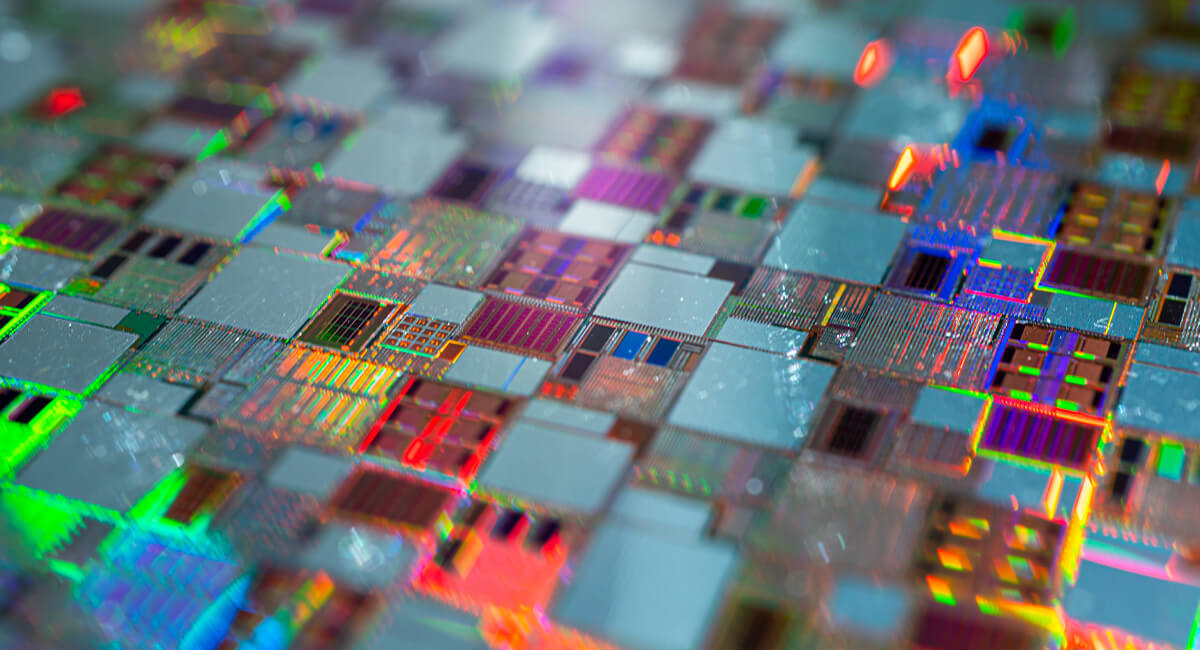
What is required is a new class of semiconductors: ultra-low-power, high-precision, safe and reliable, designed explicitly for neural interfaces. Chips capable of sensing and stimulation, local processing and wireless communication, operating for years inside the body or comfortably on the head.
These purpose-built devices form the missing layer between neuroscience and scalable technology. They determine whether neural interfaces remain specialised medical tools or evolve into broadly deployable platforms. Their impact will be shaped as much by hardware design as by biology itself.
Semiconductors have been the enabling fabric of every technological era. They will play the same role here. As this foundation matures, neural interfaces will reshape how we treat brain health, how we interact with intelligent systems, and how closely technology integrates with the human body.
The next human-machine interface will not be held, worn or tapped. It will be integrated, quietly and precisely, into who we are.
References
- “400 Billion Reasons To Believe In Brain-Computer Interfaces”, October 10th 2024: https://www.forbes.com/sites/naveenrao/2024/10/10/400-billion-reasons-to-believe-in-brain-computer-interfaces/
Disclaimer. The views and opinions expressed in this article are solely those of the author and do not necessarily reflect the official policy or position of Test Labs Limited. The content provided is for informational purposes only and is not intended to constitute legal or professional advice. Test Labs assumes no responsibility for any errors or omissions in the content of this article, nor for any actions taken in reliance thereon.
Get It Done, With Certainty.
Contact us about your testing requirements, we aim to respond the same day.
Get resources & industry updates direct to your inbox
We’ll email you 1-2 times a week at the maximum and never share your information