Fixing Bedside Oral Care: A Systems Approach for Hospitals and Long-Term Care

Article Summary
Poor bedside oral care in hospitals and long-term care facilities contributes to infections, longer stays, and higher costs, yet compliance remains low due to fragmented, time-consuming protocols. This is a systems design failure, not a training issue. Integrated oral-care kits that combine dosing, brushing, suction, and tongue cleaning into a single workflow reduce task burden, improve consistency, and fit into real nursing routines.Article Contents
Poor Oral Care Drives Preventable Infections
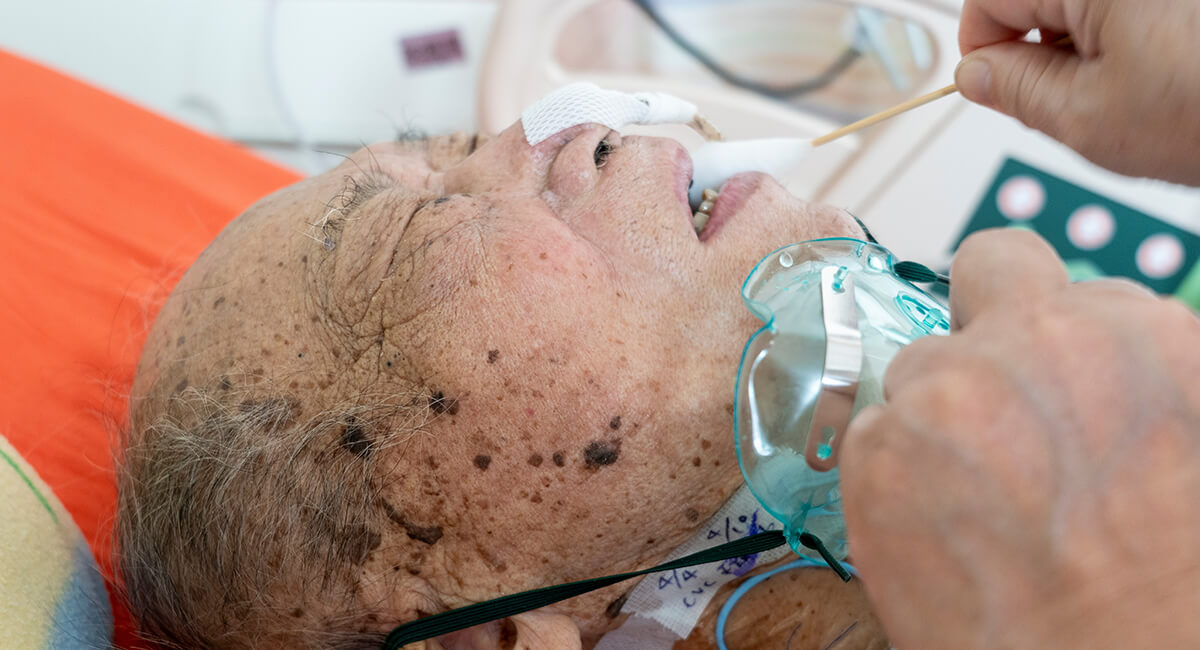
Poor oral care in hospitals and long-term care settings remains a persistent, under-recognised driver of patient harm. In intensive care units and other acute wards, inadequate oral hygiene contributes to hospital-acquired and ventilator-associated pneumonia, increases antibiotic use, prolongs stays, and raises costs. Outside the ICU, nursing homes, hospice units, and senior-care centres face the same problem: staff are busy, protocols are complex, and consistent delivery is hard to sustain. The result is a gap between what evidence recommends and what actually happens at the bedside.
Why Oral Care Protocols Fail at the Bedside
Two practical realities explain why this gap persists. First, many oral-care regimens are fragmented: a single cleaning can require a dozen-plus distinct tools and up to twenty minutes, creating friction and low compliance among nursing teams. Second, variability in dosing and technique – from how rinses are prepared to inconsistent suctioning – makes it difficult to translate good intentions into reproducible patient benefit. In short, the problem is not a lack of awareness; it is poor design for the realities of frontline care.
A Systems-Based Oral Care Solution
A systems response, designing for the bedside rather than assembling parts, changes that equation. Instead of separate toothbrushes, swabs, rinse bottles, Yankauer suction, and multiple disposables, an integrated kit that combines measured-dose chemistry, an ergonomic brush, a tongue scraper, and active suction reduces task fragmentation. When dosing, brushing, and suction occur as a single, coordinated action, the protocol can be simplified from many discrete steps to a handful of intuitive ones. That simplicity directly improves nurse compliance, shortens procedure time, and reduces variability in how care is delivered. The desired effect is twofold: better process adherence and a cleaner oral environment that lowers the risk of infection.
Design Features That Improve Compliance
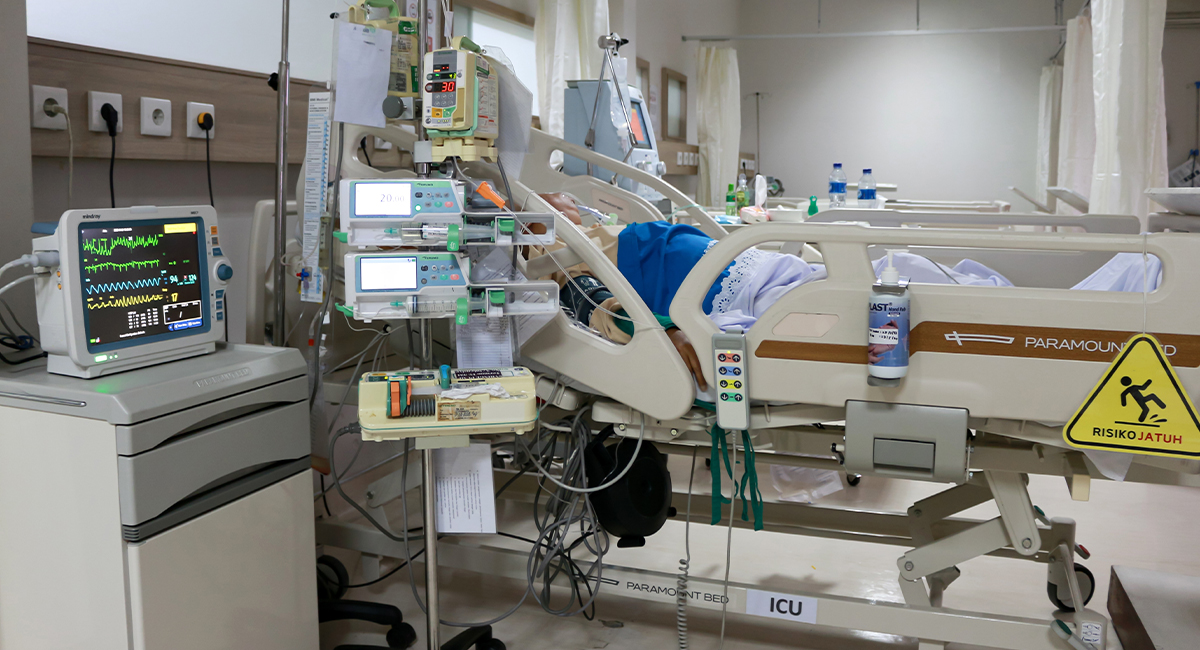
The consistency of bedside oral care is shaped not only by training and intent, but by how well the process fits into real-world workflows. Reducing preparation steps, minimising dosing variation, and enabling simultaneous suction can simplify the procedure and decrease cognitive load. Designing tasks that align with natural hand movements and short care windows may also improve feasibility during routine practice.
These changes are modest from an engineering standpoint but profound in clinical effect because they remove the key barriers to consistent, repeatable care.
Scaling Oral Care Programs in Healthcare
Adoption requires convincing evidence and operational readiness. Single-site pilots and independent lab validation can show usability and hygiene benefits; powered, multi-site studies are needed to demonstrate reproducible reductions in infection rates. Equally important is supply-chain and service design: products must be reliably available, simple to stock, and supported by training and documentation so that hospitals and care homes can maintain programs at scale. Linking clinical outcomes to hospital economics – for example, converting prevented pneumonia cases into avoided costs – creates an incentive for systems to invest in sustained adoption rather than episodic trials.
Improving Patient Safety Through Better Oral Care
Where this approach shows promise is in aligning clinician workflow with measurable outcomes. When a device is engineered to fit the rhythm of nursing shifts and to remove hidden steps, compliance improves. When compliance improves, so does the consistency of exposure to the clinical intervention, and with consistency comes the possibility of measurable reductions in morbidity. For environments such as ICUs, nursing homes, and hospice care, where staffing pressure and high acuity make complex protocols impractical, a pragmatic, device-led systems solution offers a route to safer, simpler care.
References
- Masri, et.al.; “Improving Outcomes in Nosocomial Pneumonia: Recent Evidence and Mor Challenges, Pathogens 2024, 13, 295. https://dci.org/10.3390/pathogens13060495
- Ehrenzeller and Michael Klompas, “Association Between Daily Toothbrushing and Hospital-Acquired Pneumonia; A Systematic Review and Meta Analysis”; Jama Internal Med,2024;184(2):131-142
- https://jamanetwork.com/journals/jamainternalmedicine/fullarticle/2812938
- Barbara J.Quinn, “Maximizing Value” The Hidden Benefits of Preventing Hospital-Acquired Pneumonia Through Oral Hygiene, Infection Control Today, 2024;https://www.infectioncontroltoday.com/view/maximizing-value-hidden-benefits-preventing-hospital-acquired-pneumonia-through-oral-hygiene
- Foucrier, et.al. “Antimicrobial Stewardship for Ventillator Associated Pneumonia in Intensive Care (the ASPIC trial): study protocol for a randomised controlled trial” BMJ open, 2023; 13:e065293.doi:10.1136
- https://bmjopen.bmj.com/content/bmjopen/13/2/e065293.full.pdf
- Klompas, et.al. “Strategies to prevent ventilator-associated pneumonia, ventilator-associated events, and nonventilator hospital-acquired pneumonia
- Toothsure pitch deck (Dec 2025) — clinical problem, product features, and adoption model.
Disclaimer. The views and opinions expressed in this article are solely those of the author and do not necessarily reflect the official policy or position of Test Labs Limited. The content provided is for informational purposes only and is not intended to constitute legal or professional advice. Test Labs assumes no responsibility for any errors or omissions in the content of this article, nor for any actions taken in reliance thereon.
Get It Done, With Certainty.
Contact us about your testing requirements, we aim to respond the same day.
Get resources & industry updates direct to your inbox
We’ll email you 1-2 times a week at the maximum and never share your information